Introduction
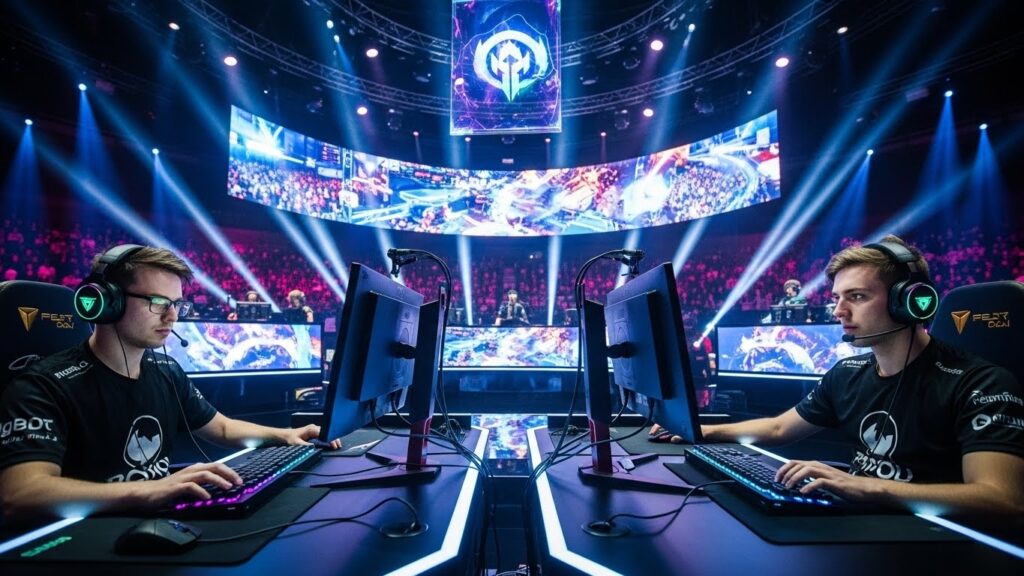
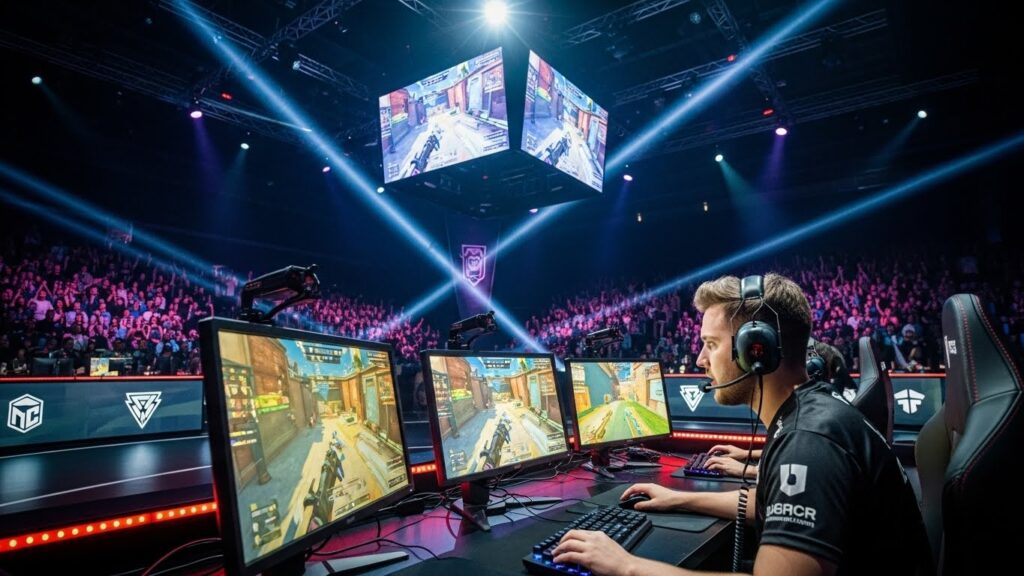
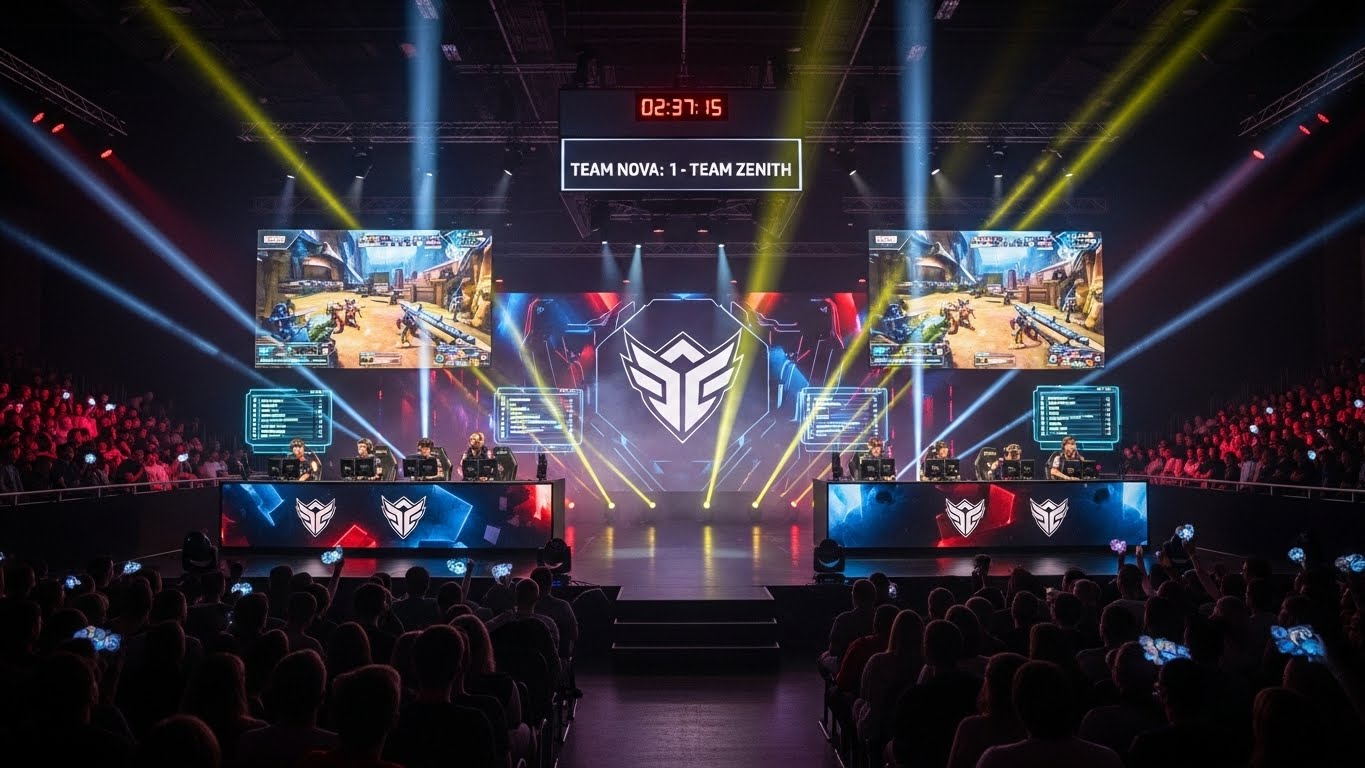
Esports, or competitive video gaming, has transformed from a niche hobby into a global phenomenon over the last two decades. What was once considered a pastime for enthusiasts is now a multi-billion-dollar industry with professional players, international tournaments, and a growing fanbase that rivals traditional sports. Esports has redefined how people view competition, entertainment, and teamwork in the digital age. Unlike casual gaming, esports emphasizes skill, strategy, and dedication, making it a legitimate career path for many talented individuals. This blog explores the history, growth, societal impact, and future of esports, demonstrating how competitive gaming is changing the landscape of entertainment worldwide.
The Origins of Esports
Esports traces its origins back to the late 1970s and 1980s when video games like “Space Invaders” and “Pac-Man” became popular in arcades. Early gaming competitions were often local events or arcade-based challenges that drew enthusiasts to prove their skills. The 1990s saw the rise of networked computers and multiplayer games such as “Doom” and “StarCraft,” which introduced strategic gameplay and team-based competitions. South Korea played a pivotal role in establishing professional esports, especially with the widespread popularity of “StarCraft” in the early 2000s. Televised competitions, dedicated gaming cafes, and structured leagues set the stage for esports to develop into a professional industry. These early foundations highlighted the competitive nature of gaming and paved the way for international tournaments.
Global Growth of Esports
The growth of esports over the past decade has been extraordinary. With advancements in internet infrastructure and the rise of streaming platforms, millions of people can watch competitions in real time from anywhere in the world. Games like “League of Legends,” “Dota 2,” “Fortnite,” “Counter-Strike: Global Offensive,” and “Call of Duty” have become staples of competitive gaming. International tournaments now feature prize pools worth millions of dollars, drawing massive audiences and sponsorships. The popularity of esports is not confined to one region; countries across Asia, Europe, and North America have thriving esports communities. This global reach highlights esports’ ability to transcend borders and cultural differences, making it a truly worldwide phenomenon.
Professional Ecosystem of Esports
Esports is more than just a game; it is a professional ecosystem that mirrors traditional sports in structure and complexity. Professional players dedicate countless hours to practice, perfecting mechanics, strategies, and team coordination. Teams employ coaches, analysts, and support staff to optimize performance. Players also focus on mental health, nutrition, and physical fitness, recognizing that peak performance requires a holistic approach. The ecosystem extends beyond players to include commentators, content creators, event organizers, marketers, and software developers. Esports leagues operate with structured schedules, contracts, and tournaments, providing career opportunities for a diverse range of professionals. This professionalization has helped esports gain recognition as a legitimate industry with significant economic impact.
Psychological and Cognitive Benefits
Engaging in esports offers more than entertainment; it provides cognitive and psychological benefits. Players develop critical thinking, problem-solving, and decision-making skills under pressure. Fast-paced games improve hand-eye coordination, reaction times, and multitasking abilities. Team-based games foster communication, collaboration, and leadership skills, as success depends on coordinated efforts and strategy. Additionally, competitive gaming teaches resilience, patience, and adaptability. Even spectators benefit from esports psychologically, experiencing social connection, excitement, and a sense of community while following their favorite players or teams. These mental and cognitive benefits demonstrate that esports has value beyond pure recreation.
Economic Significance of Esports
The economic impact of esports is considerable and continues to grow. Professional tournaments generate revenue through sponsorships, advertising, ticket sales, merchandise, and broadcasting rights. Streaming platforms provide monetization opportunities for both players and content creators. Major gaming companies invest heavily in esports to expand brand visibility and engage with younger, tech-savvy audiences. Esports also stimulates related industries such as technology, media production, event management, and marketing. The economic influence of esports illustrates its potential as a sustainable and profitable industry, attracting investment and creating employment opportunities worldwide.
Community and Cultural Impact
Esports has created vibrant communities across the globe. Online forums, social media, and streaming platforms allow fans to interact with players and each other, fostering shared experiences and camaraderie. Esports culture extends beyond gaming itself, influencing music, fashion, media, and entertainment. Cosplay, fan art, and content creation enrich the cultural ecosystem, demonstrating that esports is not only about competition but also about creativity and identity. Universities and schools are increasingly recognizing esports by offering scholarships and academic programs, further legitimizing its role in society. The cultural influence of esports reflects its ability to unite people with shared passions while promoting diversity and inclusivity.
Technological Advancements in Esports
Technology plays a central role in the development and growth of esports. High-speed internet, advanced gaming hardware, and sophisticated software have made competitive online gaming accessible worldwide. Streaming platforms allow millions of viewers to watch live competitions, while analytics tools help players and coaches refine strategies. Emerging technologies such as virtual reality, augmented reality, and artificial intelligence are beginning to influence esports gameplay and audience experience. Innovations in peripherals like gaming keyboards, mice, and controllers enhance performance and ergonomics. The integration of technology ensures that esports continues to evolve and remain at the cutting edge of digital entertainment.
Challenges Facing Esports
Despite its rapid growth, esports faces several challenges. Professional players often experience stress, burnout, and mental health issues due to long hours of practice and intense competition. Regulatory concerns, such as cheating, match-fixing, and doping, require oversight to maintain fairness. Gender representation remains a challenge, with women often facing limited opportunities and discrimination in competitive gaming. Additionally, social stigma around gaming persists in some cultures, limiting acceptance of esports as a legitimate career path. Addressing these challenges is essential to ensure the sustainability and inclusivity of esports as an industry.
The Future of Esports
The future of esports promises continued growth, innovation, and mainstream acceptance. Emerging technologies such as cloud gaming, virtual reality, and artificial intelligence are expected to redefine gameplay, spectator engagement, and training methods. Esports is likely to integrate further with traditional sports, creating hybrid experiences that appeal to broader audiences. Educational programs and professional academies will nurture talent and prepare the next generation of esports professionals. With increasing recognition of cognitive, cultural, and economic benefits, esports is poised to become an integral part of global entertainment and education systems. The trajectory of esports indicates that it will continue to influence how people play, watch, and connect in the digital era.
Conclusion
Esports has evolved from a niche hobby into a global phenomenon, redefining competition, entertainment, and community in the digital age. It is more than gaming; it is a professional career path, a cultural movement, and a technological frontier. Esports fosters cognitive skills, mental resilience, teamwork, and creativity while generating significant economic opportunities. Although challenges such as mental health, inclusivity, and regulation exist, the industry continues to grow and innovate. As technology advances and global interest expands, esports is set to become an enduring and influential element of modern society. It represents the fusion of human skill, digital innovation, and community, shaping the future of entertainment and competition worldwide.