Introduction: When Gaming Became More Than Play
Not long ago, video games were seen mainly as a casual hobby or a niche pastime enjoyed in bedrooms and internet cafés. Today, competitive gaming, known as esports, has transformed into a global phenomenon that rivals traditional sports in popularity, viewership, and influence. Stadiums sell out for esports tournaments, millions tune in online to watch their favorite teams compete, and professional players are celebrated as athletes. Esports is no longer just about entertainment; it represents a shift in culture, technology, and the way people connect across borders.
Understanding Esports and Its Core Identity
Esports refers to organized, competitive video gaming where individuals or teams compete in popular titles under structured rules and formats. These competitions can range from small local events to massive international tournaments with multi-million prize pools. Unlike traditional sports, esports is deeply tied to technology, relying on high-performance hardware, internet infrastructure, and digital platforms for both competition and broadcasting. At its core, esports blends skill, strategy, reflexes, and teamwork, creating an environment where mental agility is just as important as physical coordination.
The Evolution of Competitive Gaming
The roots of esports can be traced back to early gaming competitions held in arcades and universities. Over time, the rise of personal computers, gaming consoles, and online multiplayer experiences laid the foundation for modern esports. What truly accelerated its growth was the advent of streaming platforms and social media, which allowed fans to watch matches live, interact with players, and become part of a global community. Competitive gaming evolved from small gatherings into professionally managed leagues with sponsors, analysts, coaches, and production crews.
Popular Game Genres Driving Esports
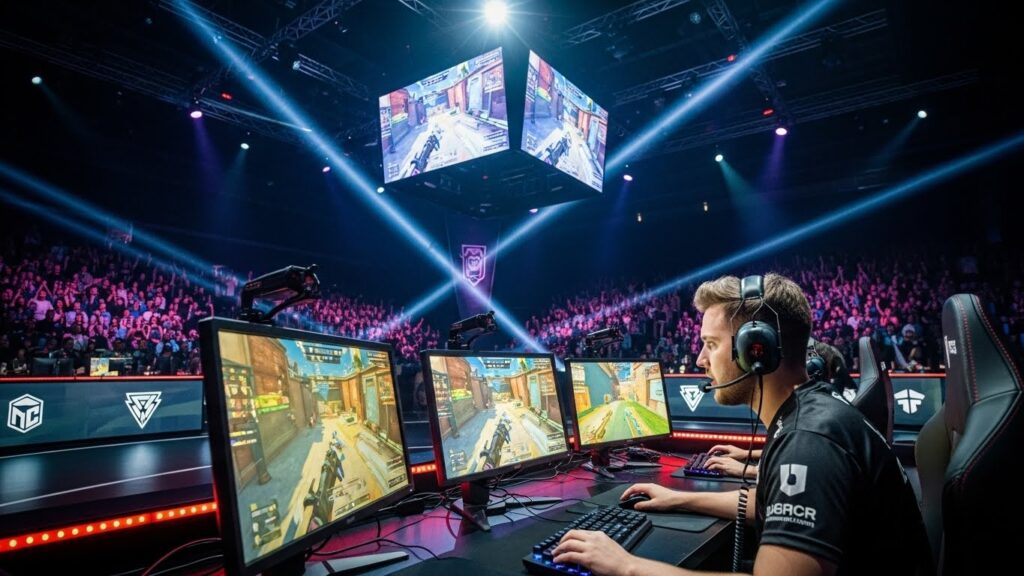
Esports thrives on a variety of game genres, each offering a different style of competition. Multiplayer online battle arena games emphasize strategy and teamwork, requiring players to coordinate complex tactics in real time. First-person shooters focus on precision, reaction speed, and map awareness, delivering fast-paced and intense action. Real-time strategy games test a player’s ability to manage resources and make rapid decisions under pressure. Sports simulation games replicate real-world athletics, bridging the gap between traditional sports fans and gamers. This diversity allows esports to attract a broad audience with varied interests.
The Professional Esports Athlete
Contrary to the stereotype of gamers as casual players, professional esports athletes follow demanding routines. They practice for long hours, analyze gameplay footage, develop strategies with coaches, and maintain physical and mental health. Reaction time, hand-eye coordination, and concentration are critical skills, but so are communication and teamwork. Many organizations now emphasize fitness, nutrition, and psychological support, recognizing that peak performance requires balance. For top players, esports is a full-time career that demands discipline and dedication.
Esports as a Spectator Experience
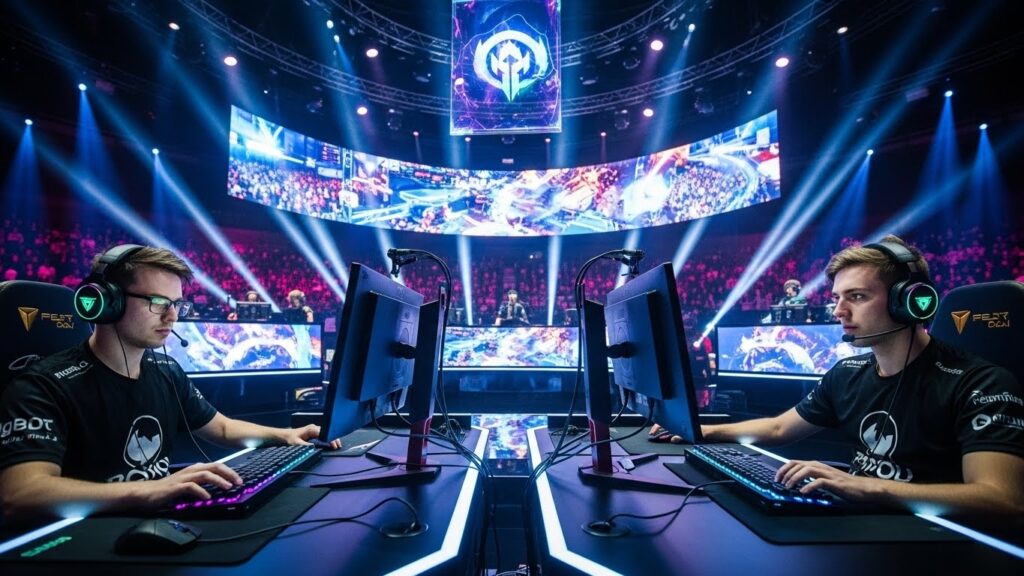
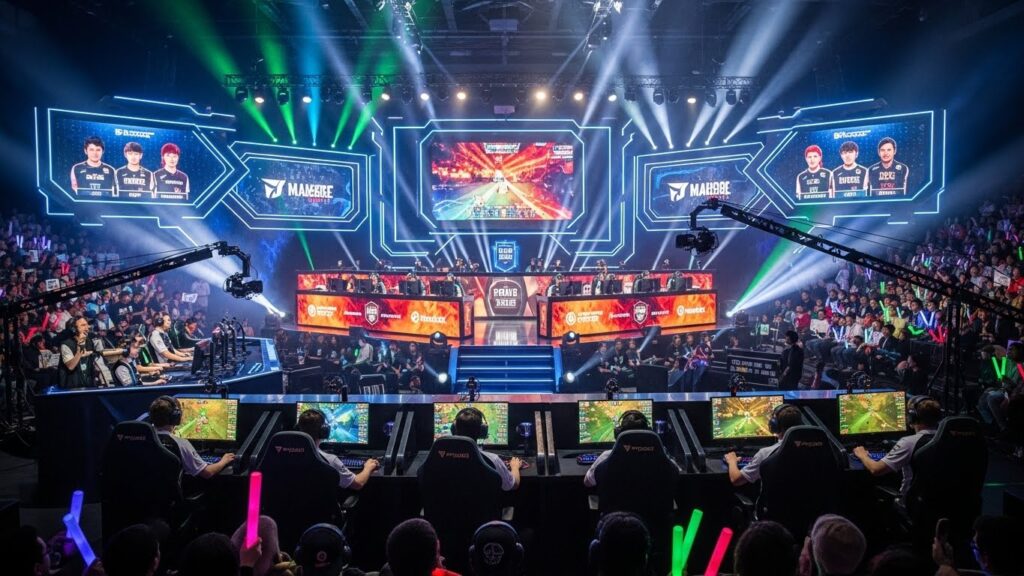
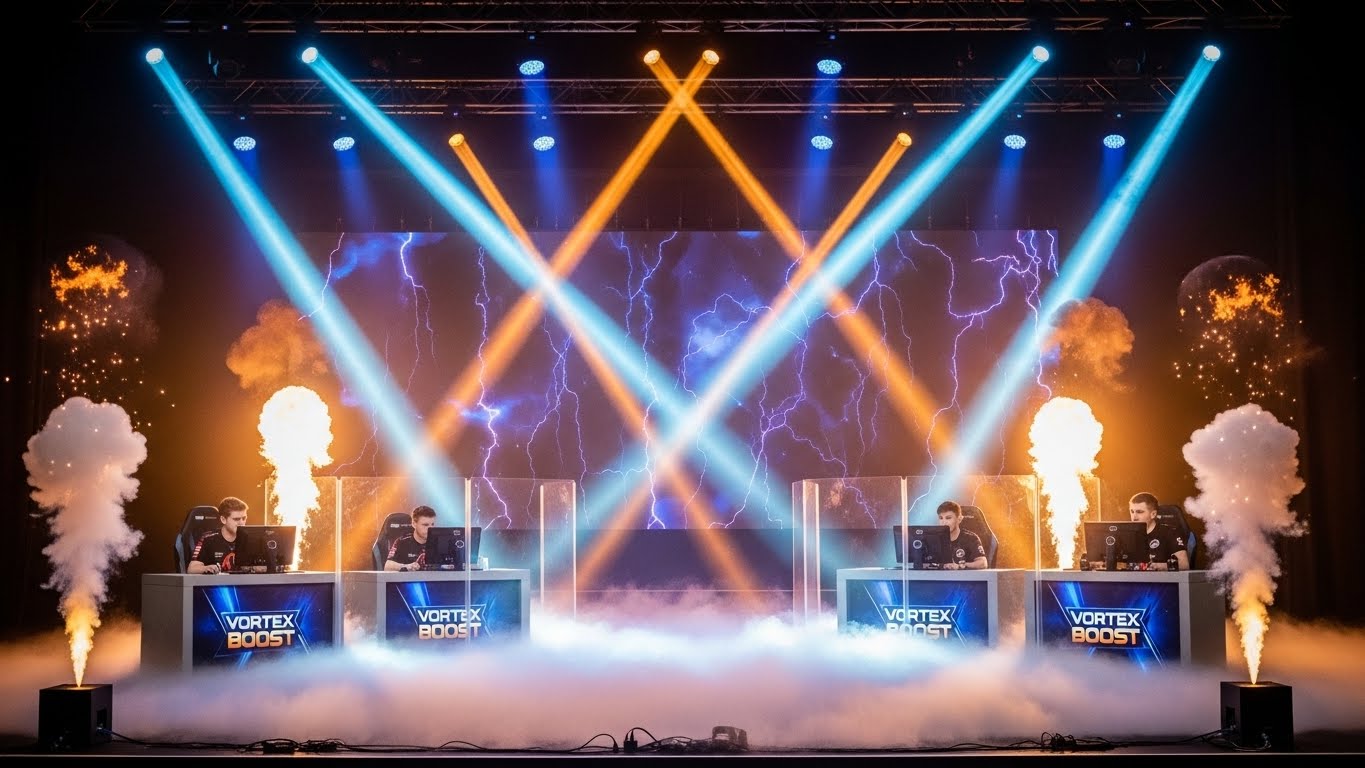
One of the most remarkable aspects of esports is its appeal as a spectator sport. Live events are designed to be immersive, featuring large screens, professional commentary, music, and dramatic stage setups. Online viewers enjoy interactive experiences through live chats and community engagement. The digital nature of esports allows fans from around the world to watch simultaneously, breaking geographical barriers that limit traditional sports. This accessibility has helped esports build a passionate and highly engaged global fan base.
Economic Impact and Industry Growth
The esports industry has grown into a multi-billion-dollar ecosystem. Revenue streams include sponsorships, advertising, media rights, merchandise, ticket sales, and in-game purchases. Major brands from technology, fashion, food, and automotive industries have entered the space, recognizing the value of reaching younger, digitally savvy audiences. Esports organizations operate like traditional sports franchises, managing player contracts, branding, and fan engagement. This economic growth has also created new career opportunities in areas such as event management, broadcasting, marketing, and game development.
Education and Career Pathways in Esports
As esports has matured, educational institutions have begun to recognize its potential. Schools and universities now offer esports programs, scholarships, and degrees focused on game design, event production, and esports management. These initiatives validate esports as a legitimate field of study and career path. Beyond professional play, students can pursue roles as analysts, coaches, content creators, and administrators. Esports education helps develop skills such as teamwork, leadership, communication, and problem-solving, which are valuable across many industries.
Community, Identity, and Global Connection
Esports has created communities that transcend language, culture, and geography. Fans rally around teams and players, forming identities similar to traditional sports fandoms. Online forums, live chats, and social platforms allow fans to share experiences, celebrate victories, and discuss strategies. This sense of belonging is a powerful aspect of esports culture. For many, esports provides a space to connect with like-minded individuals and feel part of something larger than themselves.
Challenges Facing the Esports Ecosystem
Despite its success, esports faces several challenges. Issues such as player burnout, lack of standardized regulations, and concerns about fair play remain ongoing topics of discussion. The rapid pace of the industry can make long-term stability difficult for teams and players. Additionally, ensuring inclusivity and diversity within esports communities is an important goal that requires continued effort. Addressing these challenges is essential for the sustainable growth of competitive gaming.
The Role of Technology in Shaping the Future
Technology continues to drive esports forward. Advances in graphics, network infrastructure, and virtual reality are enhancing both gameplay and viewing experiences. Artificial intelligence is being used to analyze performance and improve training methods. As technology evolves, esports will likely become even more immersive and interactive. These innovations not only benefit competitive gaming but also influence broader entertainment and media industries.
Esports and the Future of Sports Culture
Esports is reshaping how society defines sports and competition. It challenges traditional notions by proving that digital environments can produce the same excitement, rivalry, and emotional investment as physical arenas. Younger generations who grow up with gaming see esports as a natural extension of sports culture. As acceptance continues to grow, esports may increasingly coexist alongside traditional sports, sharing audiences, venues, and cultural significance.
Conclusion: A Digital Arena with Lasting Impact
Esports represents more than competitive gaming; it is a reflection of how technology, culture, and entertainment intersect in the modern world. From humble beginnings to global stages, esports has proven its ability to inspire passion, create opportunities, and connect people worldwide. As the industry continues to evolve, its influence will likely extend beyond gaming, shaping the future of sports, media, and digital communities. What began as pixels on a screen has become a powerful cultural force, and its journey is only just beginning.