Introduction
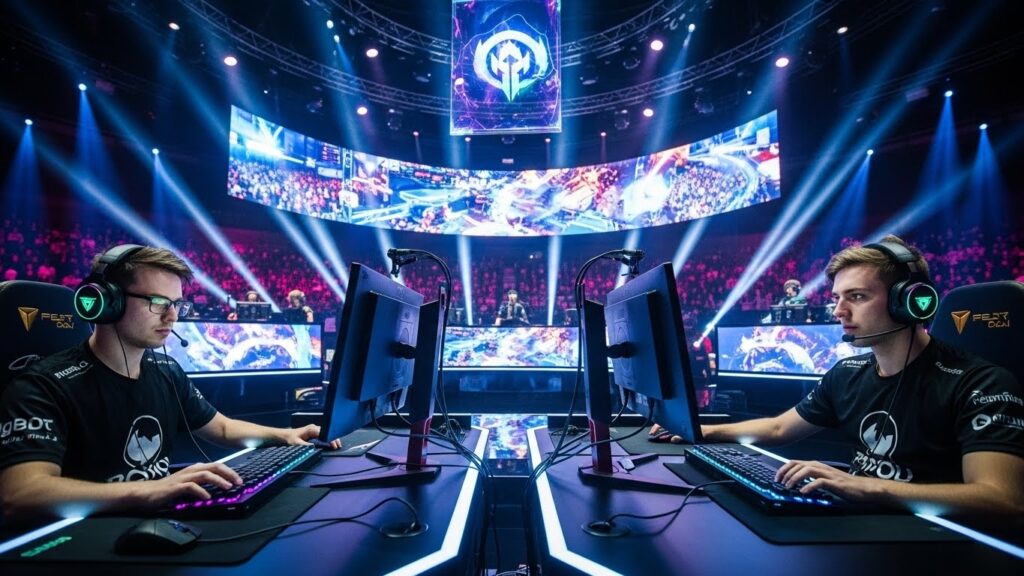
In the past two decades, esports has transformed from a niche hobby to a global cultural and economic powerhouse. What was once a hobby for passionate gamers is now a multi-billion-dollar industry that attracts millions of fans, sponsors, and investors from all corners of the globe. Whether you’re tuning into the thrilling League of Legends World Championship, watching elite players face off in Dota 2, or following the fast-paced action of Fortnite, esports has firmly established itself as a dominant force in the world of entertainment.
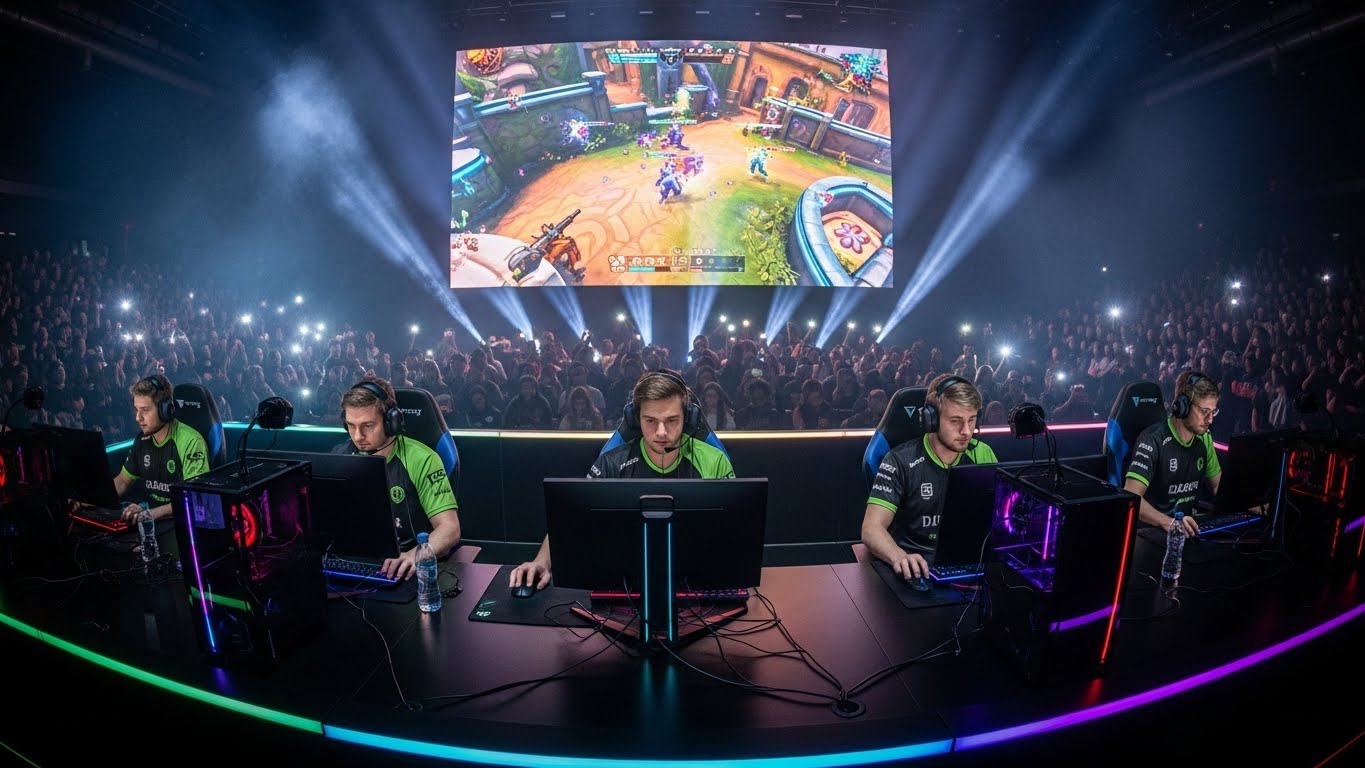
Esports has evolved from humble LAN parties to massive international competitions, bringing competitive gaming into the mainstream. Today, it has an ecosystem that rivals traditional sports, complete with professional leagues, star athletes, coaches, analysts, and passionate fans. In this blog post, we’ll explore the rise of esports, what makes it so compelling, and why it’s more than just a passing trend.
The Humble Beginnings of Esports
Esports might seem like a modern phenomenon, but its roots stretch back decades. The first competitive gaming events took place in the early 1970s, with games like Spacewar being played in universities. These were small, informal gatherings, but they laid the groundwork for the more structured competitions to come. As the internet and gaming technology progressed, so did the ability to organize larger tournaments.
The 1990s saw the birth of some of the most iconic competitive games, including StarCraft and Quake. These games formed the foundation of what would later become the esports industry. StarCraft was particularly influential in South Korea, where the game’s popularity skyrocketed in the early 2000s. National television networks began broadcasting tournaments, and South Korea became the undisputed epicenter of esports.
As the internet became more accessible and high-speed connections improved, esports started to spread globally. Major gaming titles, such as Counter-Strike, Warcraft 3, and League of Legends, began to dominate the competitive gaming scene. These games were not only exciting to play but also thrilling to watch, creating the perfect foundation for esports to explode in popularity.
The Growth and Globalization of Esports
The rapid growth of esports in the 2010s has been nothing short of remarkable. Streaming platforms like Twitch and YouTube have revolutionized how fans experience esports. These platforms allow players and fans to connect in real-time, providing a space for millions of people to watch live tournaments, engage with content creators, and participate in online communities. The convenience and accessibility of streaming have made esports events widely available to anyone with an internet connection, breaking down geographical barriers and expanding the reach of the industry.
One of the key drivers of esports’ growth has been its ability to attract a global audience. Unlike traditional sports that often have regional appeal, esports games can be played and enjoyed by anyone, anywhere in the world. A player from North America can face off against someone in Europe or Asia, and millions of people can watch them do so, regardless of where they are located. This global nature of esports has allowed it to tap into a diverse fan base, with different regions excelling in different games.
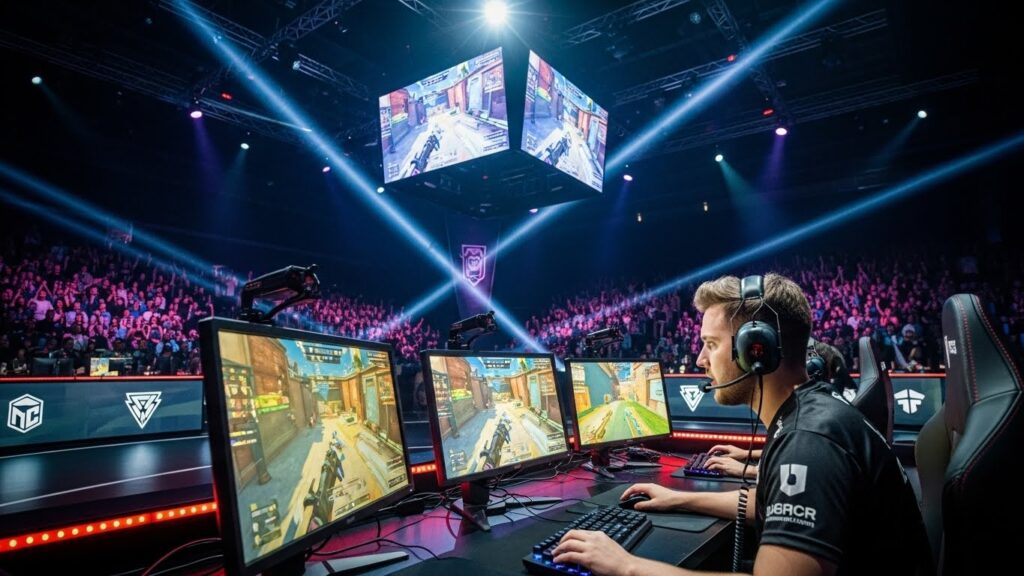
Esports events are also becoming more accessible to fans, with major tournaments held in dedicated arenas and broadcasted across multiple platforms. In addition, the rise of mobile gaming has expanded the reach of esports even further, bringing in casual players who might not traditionally engage with competitive gaming. Games like PUBG Mobile and Clash Royale have introduced a new demographic to the world of esports, broadening the industry’s appeal.
The Business of Esports: A Multi-Billion-Dollar Industry
Esports has rapidly become a major industry with a thriving economy. According to recent reports, the esports industry is expected to generate more than $1.5 billion in revenue by 2025, fueled by sponsorships, advertising, media rights, and merchandise sales. Esports tournaments are now attracting large-scale sponsorships from some of the biggest brands in the world, including Coca-Cola, Intel, and Audi, which further cement the industry’s place in the global entertainment landscape.
Sponsorships are the lifeblood of many esports organizations and players. Companies see value in aligning themselves with esports because of its massive and highly engaged audience, particularly among younger demographics. Fans of esports tend to be loyal, passionate, and highly active on social media platforms, making them an ideal target for brands looking to connect with consumers.
In addition to sponsorships, media rights are a significant revenue stream for esports. Platforms like Twitch, YouTube, and Facebook have secured broadcasting rights for major esports leagues, offering them a platform to broadcast tournaments to millions of viewers worldwide. This has allowed esports organizations to expand their reach and generate significant revenue from content distribution.
Esports as a Professional Career Path
One of the most exciting aspects of esports is its potential as a career path. As the industry has grown, so has the range of professional roles available to individuals. Players, coaches, analysts, casters, and event organizers now have opportunities to make a living in esports. Competitive players, especially those in top-tier leagues, can earn substantial salaries from tournament prize money, sponsorships, and streaming revenue. The most successful players can make millions of dollars annually, rivaling the salaries of professional athletes in traditional sports.
In addition to players, esports organizations employ a variety of professionals, including coaches, analysts, and content creators, who help teams improve their gameplay and engage with fans. Just like in traditional sports, esports organizations are run by teams of professionals who work behind the scenes to ensure everything runs smoothly.
Moreover, the rise of esports has led to the creation of specialized academic programs. Universities around the world are now offering degrees in esports management, digital marketing, and even game design. These programs help students gain the skills and knowledge necessary to enter the esports industry, from marketing and event planning to broadcasting and game development.
The Role of Streaming and Social Media in Esports
Streaming platforms like Twitch, YouTube Gaming, and Facebook Gaming are integral to the success of esports. These platforms allow viewers to watch live tournaments and interact with players in real-time, creating a level of engagement that traditional sports media can’t match. Esports players and content creators can build large fan bases by streaming their gameplay and interacting with their followers.
Streaming has also democratized the esports scene, allowing anyone with a decent internet connection to become a part of the ecosystem. Talented players can use streaming platforms to build their careers, attract sponsorships, and eventually compete in major tournaments. Viewers can follow their favorite players, watch their strategies, and learn from their gameplay.
Social media is another vital tool for promoting esports. Players and teams use platforms like Twitter, Instagram, and TikTok to engage with fans, share highlights, and promote upcoming events. Social media provides a direct line of communication between players and their fan base, helping to build loyalty and create a sense of community.
The Impact of Esports on Traditional Sports
Esports has begun to merge with traditional sports in several interesting ways. Many professional sports organizations have invested in esports, recognizing its massive potential and the overlap in fan bases. For example, NBA teams like the Golden State Warriors and the Philadelphia 76ers have acquired esports organizations or launched their own esports leagues. Similarly, football clubs such as Paris Saint-Germain and Manchester City have partnered with esports teams to expand their brand into the digital space.
Esports and traditional sports share many similarities, including the focus on competition, strategy, and teamwork. However, esports has some advantages, particularly in terms of accessibility and global reach. While traditional sports often require expensive equipment and facilities, esports can be played on a computer or mobile device, making it more accessible to a broader audience. This is especially appealing to younger audiences, who are accustomed to playing games on their phones or computers.
The Future of Esports
The future of esports is incredibly promising, with several key trends likely to shape the industry in the coming years. First, the continued development of virtual and augmented reality could offer a new level of immersion for esports fans and players. Imagine watching a live esports tournament in VR, where you can feel like you’re right in the middle of the action.
Second, the rise of mobile gaming will continue to expand the esports audience. As mobile games like Clash Royale, PUBG Mobile, and Arena of Valor grow in popularity, more and more players will have the opportunity to compete on a global stage. This democratization of esports will allow for even greater diversity and talent to emerge.
Lastly, esports is likely to become even more integrated with traditional media. Television networks and streaming platforms will continue to secure broadcasting rights, and more major events will be televised alongside traditional sports. Esports could even become an Olympic sport in the near future, further legitimizing it as a form of competitive entertainment.
Conclusion
Esports is no longer just a subculture for gamers; it has evolved into a global, multi-billion-dollar industry that captivates millions around the world. The rise of esports has revolutionized the way we think about competition, entertainment, and careers. With its massive growth, broad appeal, and diverse ecosystem, esports is here to stay, and its influence on entertainment, sports, and culture will only continue to expand.
As esports continues to develop, it will undoubtedly reshape how we experience gaming and competition. Whether you are a casual viewer or a hardcore gamer, there is no denying that esports has become a cultural force, and its future looks incredibly bright.