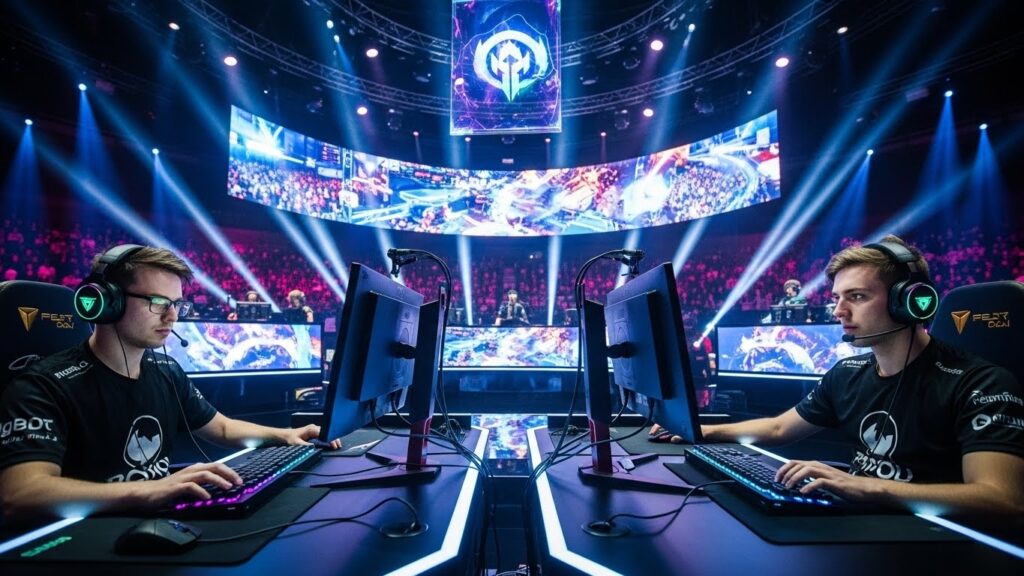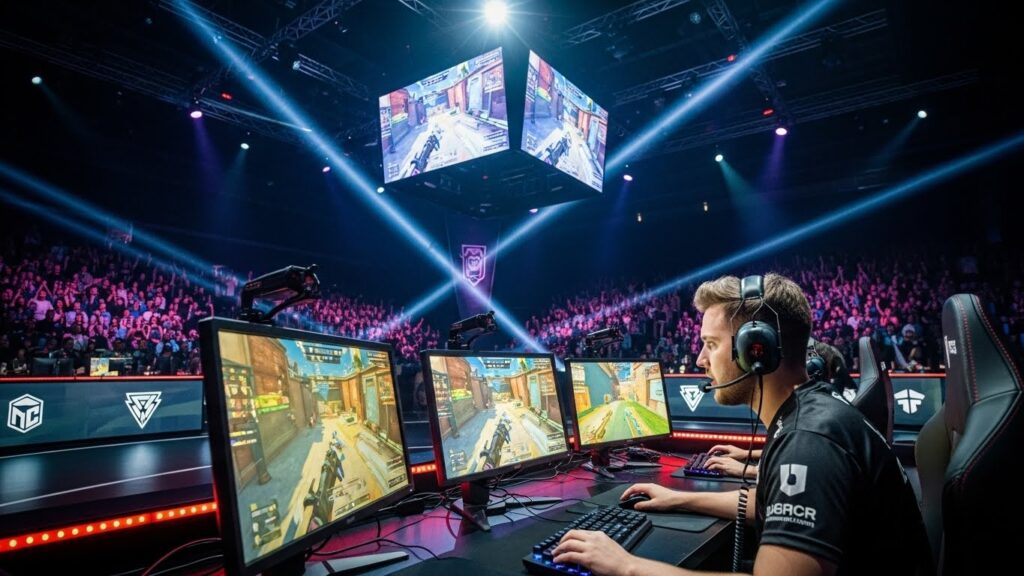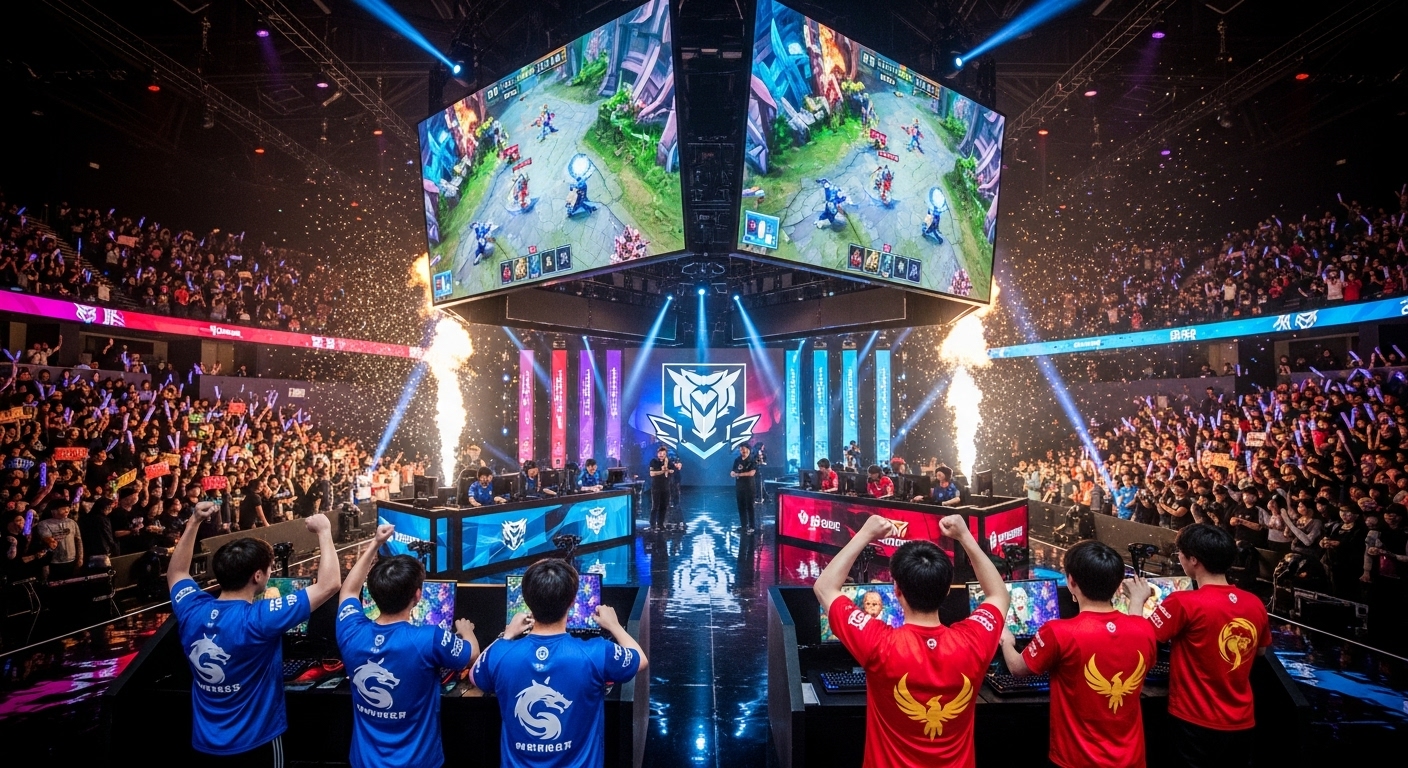
In the early 2000s, the concept of competitive gaming was mostly limited to niche tournaments and a small but dedicated community of players. Fast forward to today, and esports has evolved into a booming global industry, attracting millions of viewers, professional players, and multi-million dollar sponsorships. From humble beginnings in basements and internet cafes to grandiose arenas with sold-out crowds, esports has cemented its place as a legitimate form of entertainment and competition. In this post, we will explore how esports has grown, the forces behind its success, and what the future holds for this electrifying industry.
Understanding Esports: More Than Just Playing Games
At its core, esports is a form of organized, multiplayer video gaming that involves competition between professional players or teams. Unlike casual gaming, esports is centered around skill, strategy, and teamwork, with players vying for championship titles in highly competitive tournaments. Esports is not just about playing games; it’s about playing at the highest level of competition, where players train just as athletes would in traditional sports, focusing on building reflexes, mental stamina, and strategic thinking.
Esports encompasses a wide variety of games, with genres such as first-person shooters (FPS), real-time strategy (RTS), multiplayer online battle arenas (MOBA), and battle royale gaining the most traction. Some of the most popular games in the esports scene include League of Legends, Dota 2, Counter-Strike: Global Offensive, Fortnite, and Valorant. These games feature complex mechanics and require high levels of skill, making them ideal for competitive play.
What sets esports apart from casual gaming is its professionalization. Esports players are not just playing for fun; they are training, practicing, and competing for cash prizes, sponsorships, and recognition on a global scale. The industry has become a platform for talented individuals to showcase their skills and gain fame, turning some players into household names.
The History of Esports: A Journey from Niche to Mainstream
The roots of esports can be traced back to the early days of competitive gaming. In the 1990s, when multiplayer gaming first began to emerge, small-scale tournaments were held in local LAN (Local Area Network) cafes. These events attracted a dedicated group of gamers who wanted to test their skills against others. While these competitions were relatively low-key, they laid the groundwork for what would eventually become the esports ecosystem we know today.
One of the earliest milestones in esports history was the Red Annihilation tournament in 1997, which took place for the game Quake. The event offered a modest cash prize, but it attracted a significant amount of attention and was one of the first instances of competitive gaming being taken seriously. From there, the scene slowly began to grow.
The real turning point for esports came in the 2000s, when titles like StarCraft and Warcraft gained a massive following, particularly in South Korea. By 2002, the Korean e-Sports Association was formed, and the first StarCraft leagues were held in South Korea. The country became a hotspot for competitive gaming, with national television networks broadcasting esports events, making stars out of players who were competing at the highest level.
The next big leap in esports came in the early 2010s, with the advent of League of Legends by Riot Games. The game quickly became one of the most popular esports titles in the world. In 2011, the first League of Legends World Championship was held, attracting an audience of over 1.6 million viewers. This event marked a critical turning point for esports, demonstrating the immense potential for large-scale, globally televised competitions.
Today, esports tournaments are broadcast on multiple platforms, including Twitch, YouTube, and even television networks in some countries. The rise of streaming services has allowed esports to reach a global audience, enabling fans from all corners of the world to watch live matches and cheer on their favorite teams.
Esports Today: A Multi-Billion-Dollar Industry
Esports is no longer just a hobby or a niche activity for a select group of players; it has become a full-fledged industry worth billions of dollars. In fact, the global esports industry is estimated to be valued at over $1 billion, with some projections forecasting that number will continue to rise in the coming years.
A significant driver behind this growth is the increasing revenue from sponsorships. Major global brands like Coca-Cola, Intel, and Nike have invested heavily in esports, providing sponsorships to teams, players, and tournaments. These sponsorships allow esports organizations to operate at a professional level, paying players salaries, offering training facilities, and funding travel for events. In addition, media rights and merchandise sales have also contributed to the industry’s financial boom.
Prize pools for esports tournaments have grown exponentially as well. Major events such as The International (Dota 2), League of Legends World Championship, and CS:GO Majors offer multi-million-dollar prize pools. For example, the 2021 The International Dota 2 tournament had a prize pool of over $40 million, with the winning team taking home more than $18 million. This is comparable to the prize money offered in traditional sports, such as tennis or golf.
Esports Tournaments: A New Form of Spectator Sport
The heart of esports lies in its tournaments. These events bring together the best players from around the world to compete for both glory and massive prize money. Tournaments vary in size and format, but they all share one thing in common: they showcase the highest level of competition.
Some of the largest and most prestigious esports tournaments include:
- The International (Dota 2): One of the biggest and most celebrated esports events, offering some of the largest prize pools in the world.
- League of Legends World Championship: An annual event that culminates in the crowning of the world’s best League of Legends team.
- CS:GO Majors: These tournaments for Counter-Strike: Global Offensive bring together top teams from around the world to compete in intense matches.
- Overwatch League Finals: A global league for Overwatch, with teams representing cities from around the world.
These tournaments often take place in massive arenas or stadiums, attracting thousands of live spectators and millions of viewers online. The electrifying atmosphere, high stakes, and incredible gameplay make esports tournaments some of the most exciting and thrilling events to watch.
Esports as a Career: The Life of a Professional Player
Becoming a professional esports player is no small feat. Just like traditional athletes, esports players must dedicate countless hours to practicing and refining their skills. Professional players typically train for several hours a day, working with coaches and analysts to improve their gameplay, review strategies, and develop new techniques. In many ways, esports requires the same level of commitment and discipline as other sports.
For successful players, the rewards can be significant. Top-tier players can earn a living through tournament prize money, sponsorships, streaming, and social media influence. Some esports athletes even have personal brands and social media followings larger than those of traditional sports stars. For example, Tyler “Ninja” Blevins, a former Fortnite player, has become one of the most recognized gaming influencers in the world, with millions of followers on platforms like Twitch and YouTube.
In addition to individual players, esports organizations also play a vital role in supporting the scene. These organizations manage teams, sign players, and provide the infrastructure necessary for success. Some of the most well-known esports organizations include Team Liquid, Cloud9, Fnatic, and T1, each of which competes in multiple titles across various genres.
Esports and Traditional Sports: The Growing Relationship
As esports continues to grow in popularity, its relationship with traditional sports has become more intertwined. Some traditional sports leagues have even created their own esports divisions. For instance, the NBA launched the NBA 2K League, which allows players to compete in the NBA 2K video game. Similarly, Formula 1 has its own esports league, where players simulate real-world racing in a competitive environment.
Moreover, traditional sports teams have begun to invest in esports organizations. Football clubs like Manchester City and Paris Saint-Germain have launched their own esports teams, while the Dallas Cowboys and Los Angeles Lakers have partnered with esports leagues to connect with the younger, tech-savvy demographic.
This cross-industry collaboration is not only good for the esports scene but also helps traditional sports organizations reach new audiences. By embracing esports, these organizations are tapping into a rapidly growing market and creating new revenue streams.
The Future of Esports: Where Do We Go from Here?
The future of esports looks incredibly bright. The growth of the industry shows no signs of slowing down, and there are a few key trends that will shape its evolution in the coming years.
First, the expansion of esports into mobile gaming is likely to drive even more growth. Mobile esports titles such as PUBG Mobile and Free Fire have gained significant traction in regions like Southeast Asia and Latin America. As mobile gaming becomes more accessible, esports will be able to tap into new markets and bring in a broader audience.
Second, the integration of esports with virtual reality (VR) and augmented reality (AR) has the potential to revolutionize the industry. Imagine watching an esports match in VR, where you feel as though you’re sitting right next to the players in a stadium. As VR and AR technology continues to improve, it’s possible that esports will become an even more immersive experience for fans and players alike.