Introduction: A New Era of Competition
Esports has rapidly transformed from a niche pastime into a global phenomenon. Once considered a hobby for teenagers and tech enthusiasts, competitive gaming now fills stadiums, attracts millions of online viewers, and generates revenue comparable to traditional sports. With its combination of high skill, strategic depth, and immersive digital experiences, esports has become more than just gaming—it is a cultural and economic powerhouse. This blog delves into the rise of esports, its influence on society, and the factors fueling its explosive growth.
The Origins of Esports: From Arcades to Online Arenas
The story of esports begins in the early days of video gaming. Arcades and home consoles provided the first platforms for competitive play, but tournaments were small and localized. Players competed for pride rather than prizes, and events were mostly casual gatherings among enthusiasts. The advent of the internet changed everything. Online multiplayer games allowed people from different cities and countries to compete in real time, opening the door for professional leagues and international competitions. What started as casual rivalry evolved into organized tournaments with standardized rules and recognized rankings.
Why Esports Captures Audiences Worldwide
One of the reasons esports has grown so rapidly is its ability to engage audiences in ways traditional sports cannot. Spectators enjoy watching the skill and strategy required to excel in games. Esports combines quick reflexes, strategic thinking, and teamwork to create thrilling matches. The digital nature of these games also allows for creative storytelling, with colorful characters, unique arenas, and dramatic narratives. Streaming platforms make it possible for fans around the world to watch live competitions, follow their favorite players, and engage in interactive communities, making esports a truly global phenomenon.
The Rise of Professional Players and Teams
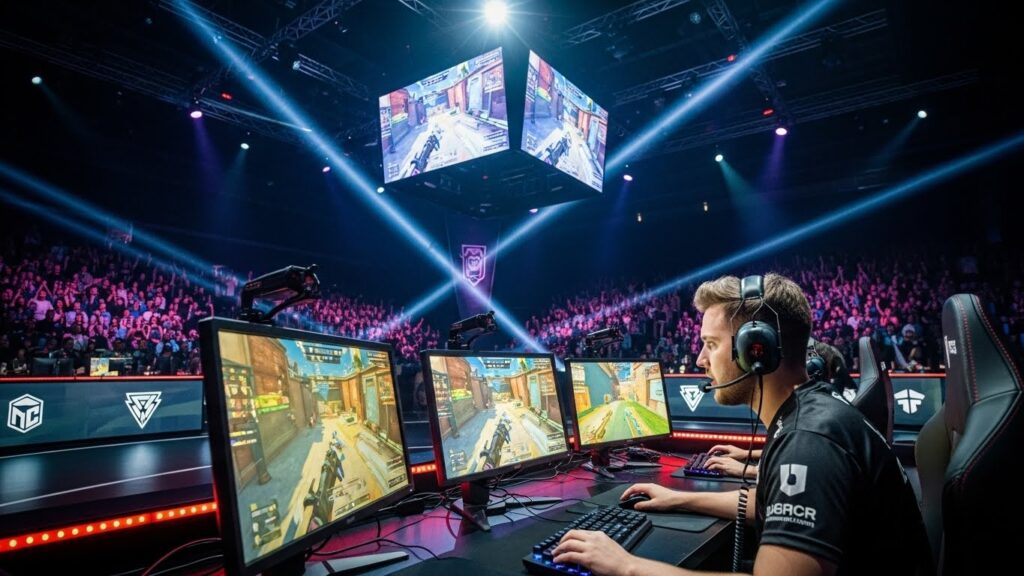
Esports professionals are no longer casual gamers. They follow rigorous training schedules, analyze gameplay videos, and collaborate with coaches to optimize performance. Teams operate similarly to traditional sports franchises, offering salaries, sponsorships, and dedicated management. Young talent can rise quickly through amateur tournaments and online rankings, achieving fame and financial stability at an age when many are still in school. The professionalization of esports has created careers not just for players, but also for coaches, analysts, commentators, and production staff.
Esports Arenas and Live Events
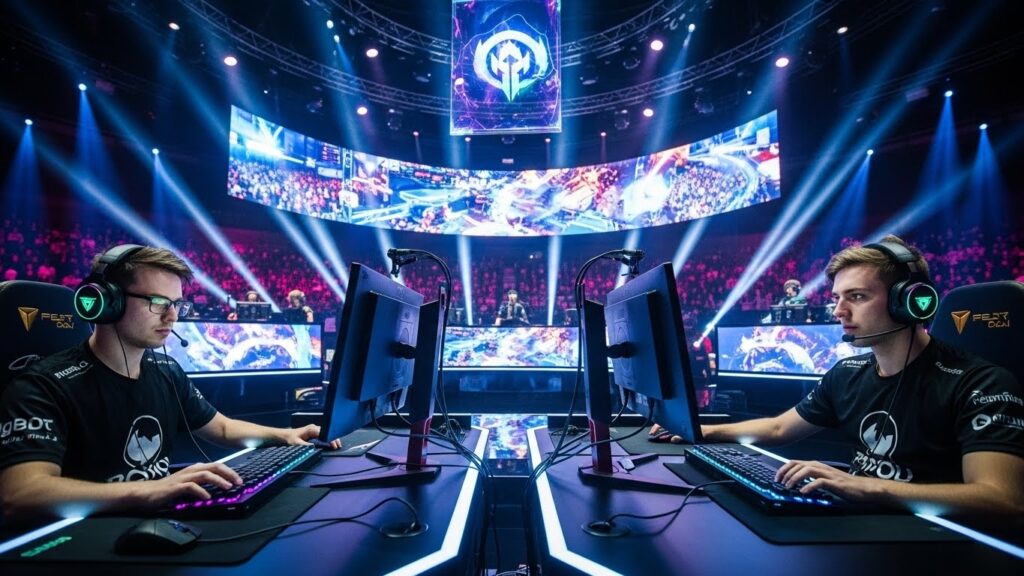
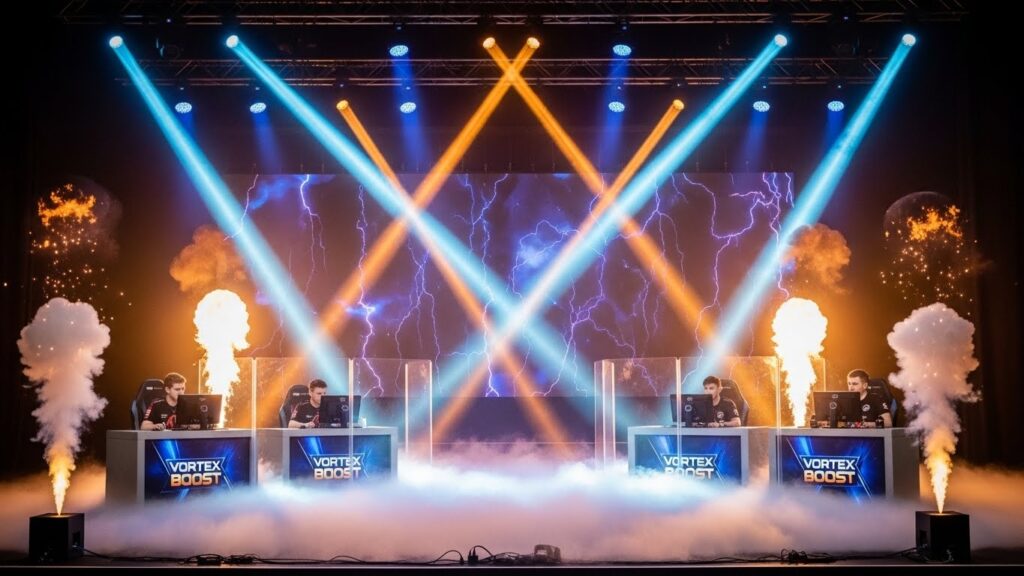
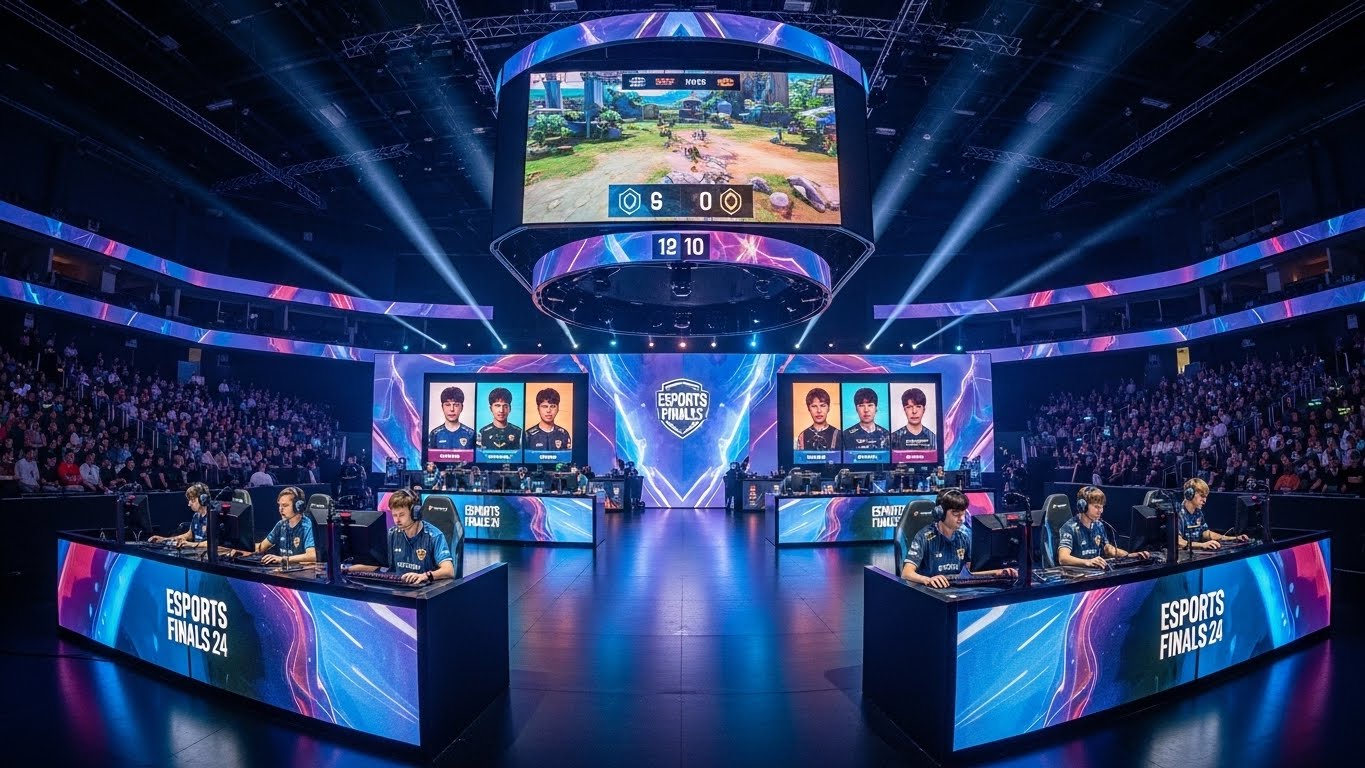
The excitement of esports is not limited to online streaming. Large-scale tournaments are held in arenas filled with cheering fans, light shows, and live commentary. These events often rival traditional sporting events in scale and production quality. Fans travel across countries to witness finals, celebrate their favorite teams, and participate in fan activities. The energy of a live esports event demonstrates that gaming has a social and cultural impact beyond screens, fostering community and shared experience.
Streaming Platforms and the Evolution of Engagement
Streaming has been a crucial factor in esports’ explosive growth. Platforms allow players to broadcast their gameplay to global audiences, interact with viewers in real time, and build personal brands. Many professional esports players start as streamers, developing large fan bases before competing professionally. Streaming has also democratized access to esports content, allowing people from all over the world to watch tournaments and participate in fan communities. The combination of entertainment, education, and social interaction creates a dynamic ecosystem that sustains the industry.
Economic Impact of Esports
Esports has evolved into a multi-billion-dollar industry with diverse revenue streams. Prize pools, sponsorships, media rights, merchandising, and advertising contribute to its growth. Major brands invest heavily in esports to reach younger, tech-savvy audiences. Universities now offer esports scholarships, and professional gamers can earn significant salaries and endorsement deals. The economic influence of esports extends beyond players and teams, creating opportunities for developers, marketers, event organizers, and media professionals. It has firmly established itself as a sustainable and lucrative sector.
Community and Social Influence
Esports thrives because of the communities it fosters. Players and fans from different countries and backgrounds connect through a shared passion for gaming. Online forums, fan groups, and collaborative gameplay create opportunities for friendship, teamwork, and self-expression. Esports has helped challenge outdated stereotypes about gaming, highlighting its benefits, including strategic thinking, problem-solving, communication, and social connection. For many, esports is more than a pastime; it is a lifestyle that offers both social and professional fulfillment.
Diversity and Inclusion in Esports
While esports was historically male-dominated, it is gradually becoming more inclusive. Female gamers, non-binary players, and diverse communities are increasingly visible and active in competitive gaming. Organizations are promoting inclusive practices, addressing harassment, and creating safe environments for all participants. Diversity in esports not only strengthens the industry but also ensures that innovation and creativity flourish. As esports grows, inclusivity will remain a crucial factor in sustaining its global appeal.
Challenges Facing the Esports Industry
Despite its success, esports faces significant challenges. Player burnout is a major concern, as professional gamers often endure long training hours and intense competition at a young age. The industry also struggles with inconsistent tournament regulations, lack of standardized career pathways, and concerns over long-term stability for players. Maintaining competitive integrity and managing commercial interests while fostering community engagement are ongoing issues. Addressing these challenges is critical to ensuring that esports remains sustainable and reputable.
The Future of Esports
The future of esports is bright, with technological innovation poised to enhance gameplay, viewing experiences, and engagement. Virtual reality, augmented reality, and advanced gaming engines promise to create even more immersive competitions. Traditional sports organizations are increasingly collaborating with esports teams, creating hybrid experiences that blend digital and physical competition. Global internet access expansion will allow emerging regions to contribute new talent and audiences. Esports is not just a trend; it is an evolving cultural force that will continue shaping the future of entertainment.
Conclusion: Esports as a Cultural Revolution
Esports has grown from a casual hobby to a global cultural and economic powerhouse. Its rise reflects the power of technology, community, and human creativity. The world of competitive gaming offers opportunities for professional careers, social connection, and entertainment experiences that were unimaginable a few decades ago. As technology continues to evolve and more people engage with esports, it will solidify its place in mainstream culture. The digital revolution in competitive gaming is not slowing down—it is only gaining momentum, proving that esports is here to stay.