Esports, or electronic sports, has transcended from a niche hobby to a global phenomenon in just a few decades. What was once a pastime for a small group of dedicated gamers has now become an industry worth billions of dollars, attracting players, spectators, and even investors from all corners of the globe. With its fast-paced action, large-scale tournaments, and loyal fanbase, esports has solidified itself as a dominant force in the entertainment industry. This blog post will explore the rapid rise of esports, its cultural impact, the technology driving its growth, and the future of competitive gaming.
1. The Origins of Esports: From LAN Parties to Global Tournaments
Esports, in its early days, was primarily a small-scale affair, often revolving around local area network (LAN) parties where friends and strangers would gather in a room, connect their computers, and compete against one another in games like “Quake” and “StarCraft.” These were grassroots events that built the foundation for what esports would eventually become.
In the late 1990s and early 2000s, competitive gaming began to take a more formal shape with the emergence of professional tournaments. The first major esports competitions started attracting significant attention, particularly in Asia, where games like “StarCraft” and “Warcraft” became household names. However, it wasn’t until the launch of games like “League of Legends” in 2009 and the expansion of streaming platforms like Twitch in the 2010s that esports began to reach the mainstream.
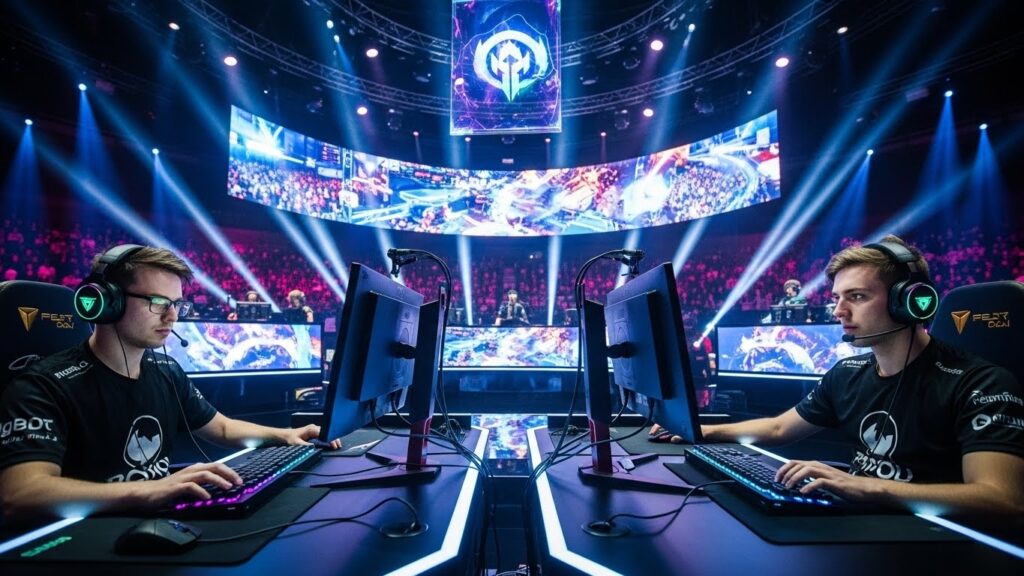
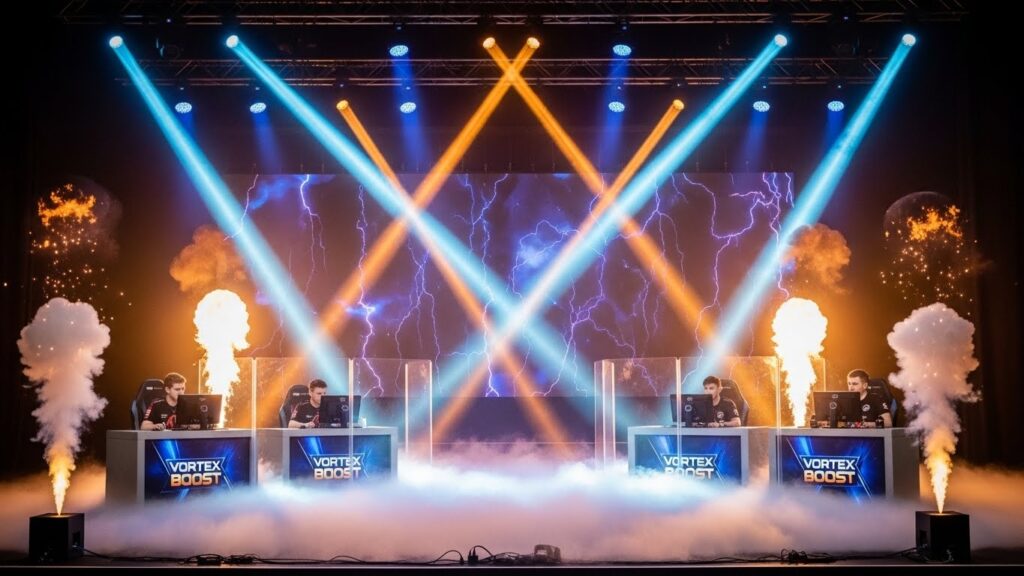
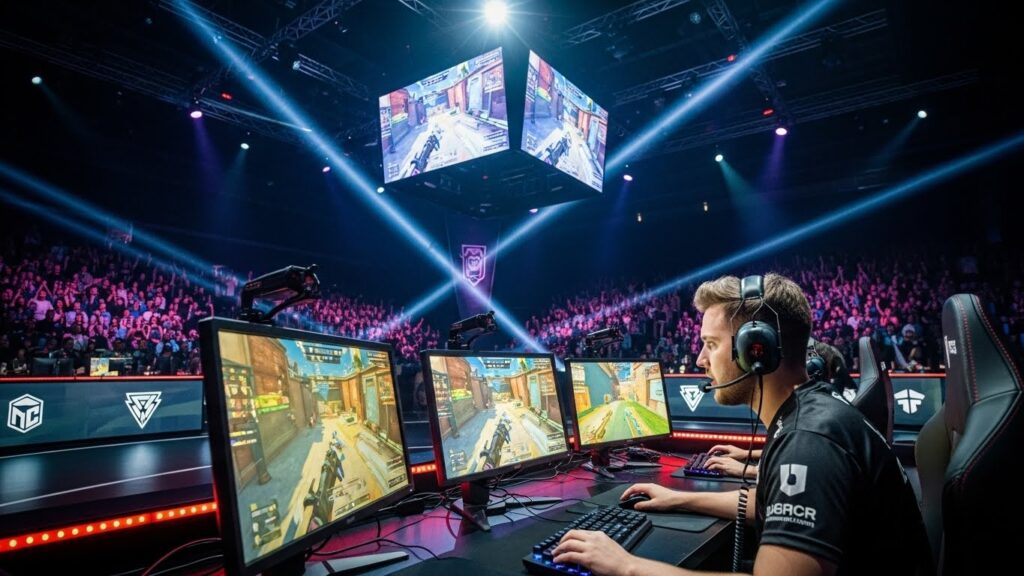
Today, esports tournaments are held in massive arenas and broadcast to millions of viewers across the world, turning previously small competitions into global events watched by passionate fans. What began as a hobby has grown into a multibillion-dollar industry with a dedicated ecosystem of teams, sponsors, media companies, and players.
2. The Esports Industry: An Economic Powerhouse
One of the most striking aspects of esports’ rise is its economic growth. The esports industry is now valued in the billions, with projections showing continued expansion. Sponsorship deals, media rights, merchandise sales, and ticket sales for tournaments contribute to this thriving market. The prize pools for major esports tournaments have also skyrocketed, with some events offering prizes in the tens of millions of dollars.
Brands and corporations from traditional sports, technology, and entertainment sectors have flocked to invest in esports. This includes massive names like Coca-Cola, Intel, and Adidas, who see the potential of esports in connecting with a young, tech-savvy audience. In fact, esports has become a marketing tool for companies targeting the millennial and Gen Z demographic, who are increasingly turning to gaming as their primary source of entertainment.
Additionally, the rise of esports betting has opened up new avenues of revenue for the industry. Similar to traditional sports betting, esports betting allows fans to wager on the outcomes of matches, further increasing engagement and financial activity within the esports ecosystem.
3. The Global Reach of Esports: Connecting Cultures Across Continents
One of the most remarkable aspects of esports is its ability to transcend geographic, cultural, and linguistic boundaries. Esports tournaments are held worldwide, from North America to Europe, Asia, and beyond. Fans from every corner of the globe come together to support their favorite teams and players, creating a truly international community.
The global reach of esports is particularly evident in games like “League of Legends,” which has a worldwide competitive circuit with regional leagues in North America, Europe, China, and Korea. Major tournaments, like the League of Legends World Championship, attract millions of viewers, some of whom are from countries where traditional sports like football (soccer) are far more popular.
Esports has fostered a unique sense of community. Online platforms like Twitch and YouTube Gaming provide spaces where players and fans can interact in real time, sharing their passion for gaming. Unlike traditional sports, where physical location can often be a limiting factor, esports allows for global participation, making it accessible to anyone with an internet connection. This inclusivity has led to the rise of esports as a truly global spectacle.
4. The Evolution of Esports Games: From Strategy to Shooter
Over the years, the types of games that dominate the esports scene have evolved. Initially, real-time strategy (RTS) games like “StarCraft” and “Warcraft” were the backbone of competitive gaming. These games required players to manage resources, build armies, and outsmart their opponents with clever tactics.
As gaming technology advanced, new genres emerged. Multiplayer Online Battle Arenas (MOBAs) like “League of Legends” and “Dota 2” became staples in competitive gaming, bringing in a more complex and team-oriented dynamic. Players needed not only individual skill but also the ability to work in synergy with teammates to win.
First-person shooters (FPS) such as “Counter-Strike: Global Offensive” (CS: GO), “Overwatch,” and “Call of Duty” have also carved out their own space in the esports landscape. These games focus on precision aiming, reflexes, and team coordination, and their fast-paced nature makes them exciting to watch both in person and online.
Additionally, esports has seen the rise of sports simulation games like “FIFA” and “NBA 2K,” which mirror real-world sports but are played in a virtual setting. These games have attracted players who may not traditionally engage with competitive gaming but are interested in the mechanics of their favorite sports.
The variety in game genres has broadened the appeal of esports, offering something for nearly every type of gamer, from those who prefer strategic thinking to those who enjoy high-octane action.
5. The Esports Athlete: Beyond the Screen
Esports athletes are no different from their counterparts in traditional sports. They train tirelessly, spend countless hours honing their skills, and undergo rigorous physical and mental conditioning. Professional esports players are often required to practice for eight to ten hours a day, working on improving their reflexes, communication, and in-game decision-making.
Esports has also introduced a new level of professionalism to the gaming world. Players are often part of teams that have coaches, analysts, and team managers, much like traditional sports teams. These players sign contracts, have sponsorships, and represent organizations that provide them with training facilities, nutritionists, and psychologists to ensure peak performance.
However, the life of an esports athlete is not without its challenges. The intense schedule can take a toll on players’ mental health, with burnout and stress being common issues in the esports community. In response, many teams have started offering support systems to help their players cope with the demands of professional gaming, including mental health resources and wellness programs.
6. The Role of Streaming Platforms: Revolutionizing Fan Interaction
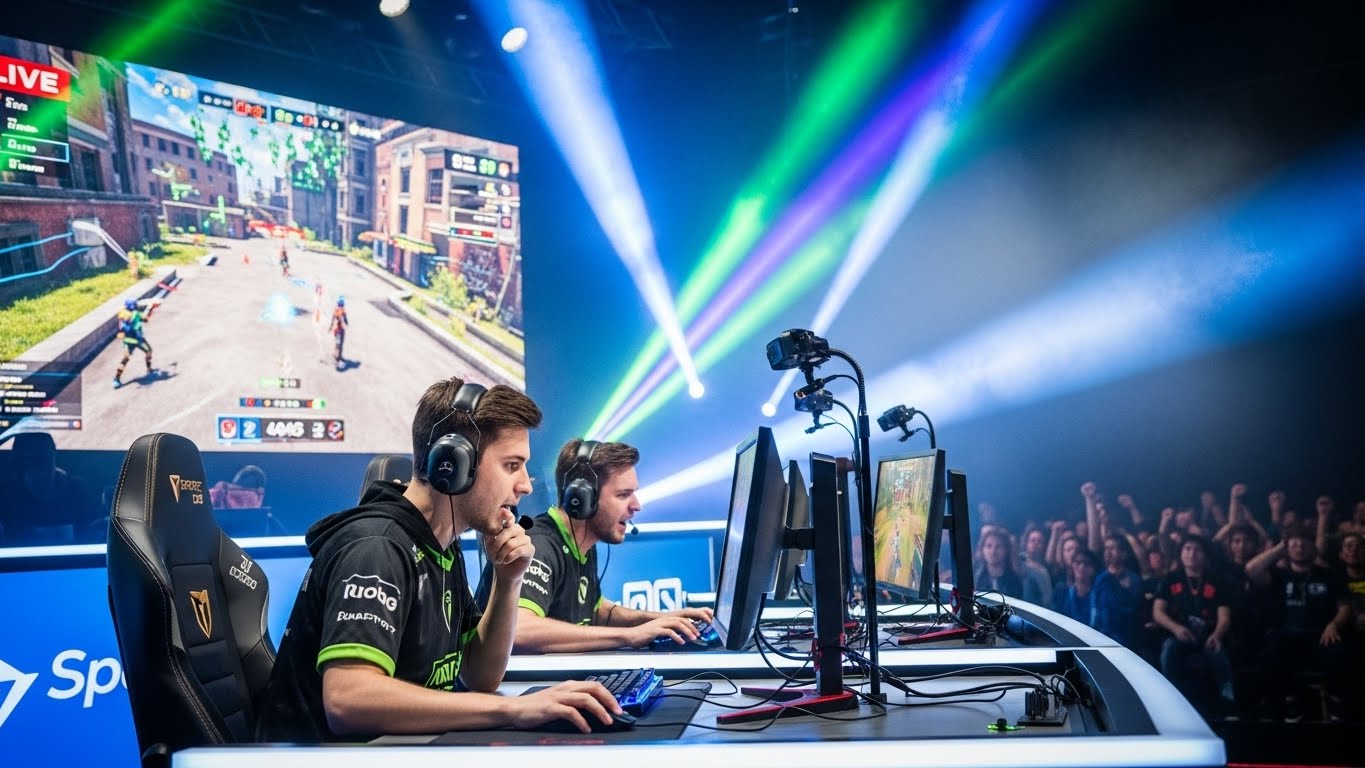
Streaming platforms have played a pivotal role in the success of esports, with Twitch being the undisputed leader in the space. These platforms allow fans to watch live gameplay, interact with players, and become a part of the action in real time. The chat feature on platforms like Twitch has created a sense of community, where fans can discuss strategies, cheer on their favorite teams, and even participate in fundraising efforts for tournaments.
The rise of “content creators” has further solidified the importance of streaming in esports. Many professional players and streamers have built massive followings by sharing their gameplay experiences, tutorials, and behind-the-scenes content. These content creators serve as ambassadors for the esports scene, attracting new fans and keeping the community engaged between tournaments.
Streaming has also provided a new revenue stream for players and teams, with opportunities for sponsorships, donations, and subscriptions. Streamers who achieve high viewership can generate significant income, and this has led to a new generation of esports stars who are not only known for their in-game skills but also their entertaining personalities.
7. The Future of Esports: The Road Ahead
The future of esports is incredibly promising, with numerous opportunities for growth and innovation. As technology continues to advance, esports is likely to become even more immersive. Virtual reality (VR) and augmented reality (AR) could introduce new ways for players and fans to experience competitive gaming, making the experience more interactive and engaging than ever before.
The integration of artificial intelligence (AI) in esports training and coaching could revolutionize the way players improve their skills. AI could analyze gameplay data to offer personalized training regimens, identify weaknesses, and help players fine-tune their strategies. Additionally, AI-powered commentary and analysis could provide fans with deeper insights into the games they love to watch.
In terms of global reach, esports is expected to continue growing in popularity across continents. Asia remains the largest market for esports, particularly in countries like South Korea and China, but North America and Europe are catching up fast. The rise of mobile esports, particularly in regions like Southeast Asia, is also contributing to esports’ global expansion.
One of the biggest challenges ahead for esports is achieving mainstream acceptance as a legitimate form of competition. While esports has garnered millions of fans worldwide, it is still working to gain full recognition from traditional sports organizations and media outlets. Overcoming this barrier could help esports secure a permanent place in the global sports landscape.
Conclusion: Esports as a Cultural and Economic Force
Esports has grown from a niche activity into a global powerhouse that influences not just the world of gaming, but also entertainment, marketing, and culture. With its impressive economic growth, widespread appeal, and dedicated fanbase, esports has solidified its place as one of the most exciting and fast-paced industries in the world.
As the technology, the players, and the fanbase continue to evolve, esports will only grow stronger. The combination of competition, entertainment, and community makes esports a truly unique phenomenon that is here to stay. Whether you’re a casual gamer or a dedicated fan, one thing is clear: esports is not just a trend, but a cultural and economic force that will shape the future of entertainment for years to come.