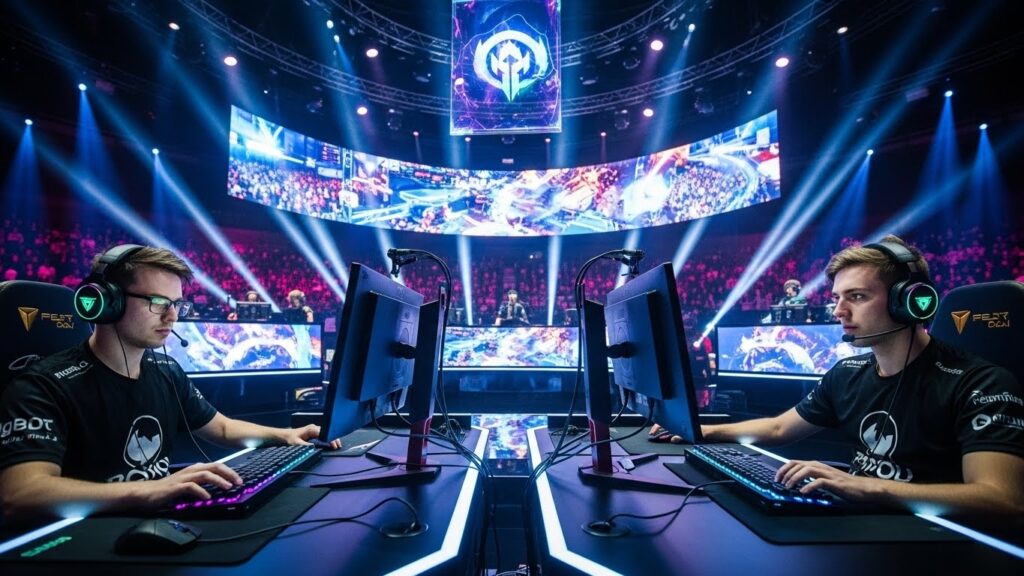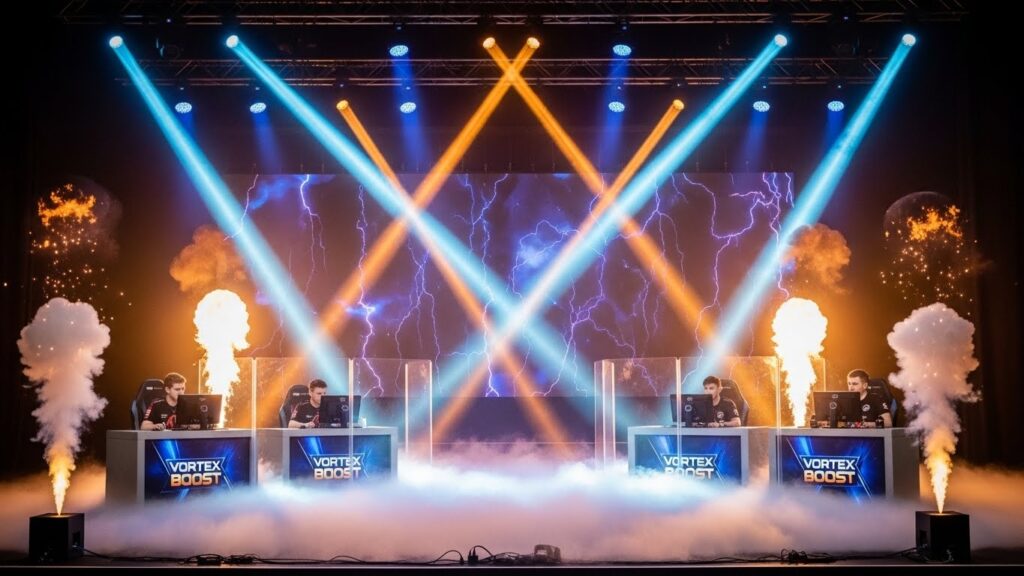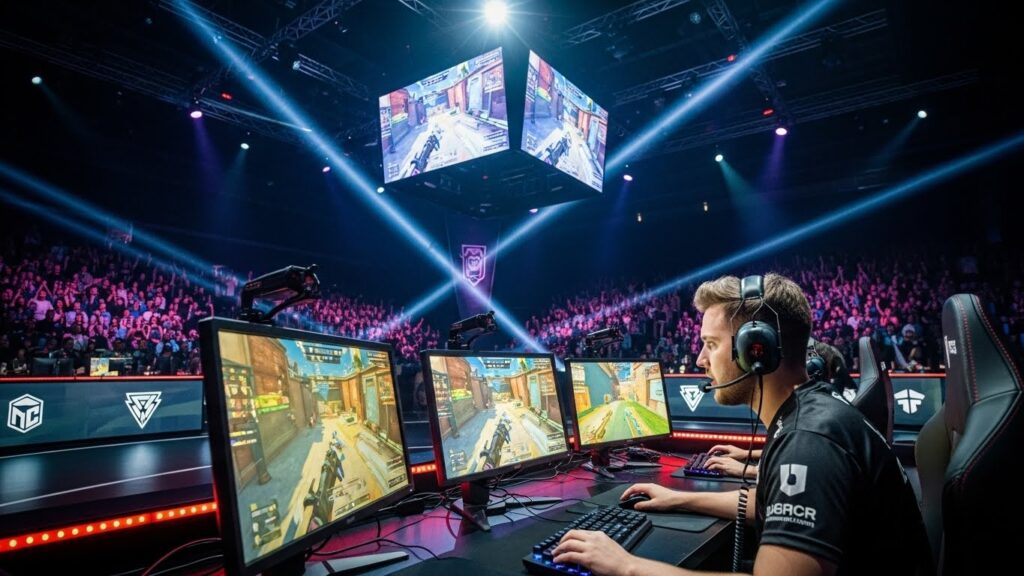
Esports, or electronic sports, is no longer a fringe activity—it has become a global phenomenon. From humble beginnings as small LAN parties and online tournaments, it has evolved into a multi-billion-dollar industry with millions of fans, professional players, and international competitions. The esports world is dynamic, fast-paced, and constantly evolving, creating new opportunities for players, teams, and viewers alike. In this blog post, we’ll explore the rise of esports, its current impact, and what the future holds for this exciting sector of digital entertainment.
The Birth of Esports: From Casual Play to Competitive Gaming
Esports didn’t appear overnight. It started as a natural extension of the video game culture that emerged in the 1970s. In the early days, competitive gaming was small-scale and mostly localized. Space Invaders tournaments in the late 1970s are often considered one of the first competitive gaming events, albeit on a very small level. But it wasn’t until the 1990s, with the advent of multiplayer games and the rise of LAN parties, that esports began to take its first major steps.
Games like Warcraft, Quake, and StarCraft became the foundation for the competitive gaming community. Players from around the world gathered at LAN events to compete against each other. These events were the early seeds of esports, with gamers playing to test their skills and gain bragging rights. However, the real catalyst for esports growth came with the expansion of online gaming and the increasing popularity of games designed specifically for competitive play.
The Online Revolution: The Rise of Global Tournaments
As the internet became more accessible in the early 2000s, online multiplayer games like Counter-Strike and Warcraft III brought players from all over the world together. Tournaments began to take shape, and organizations like the World Cyber Games (WCG) and Electronic Sports League (ESL) started holding larger, more formalized events. These tournaments were the first step toward turning competitive gaming into a worldwide phenomenon.
The launch of League of Legends by Riot Games in 2009 was a turning point. LoL became one of the first games to offer both a competitive online environment and regular global tournaments. The game’s free-to-play model allowed players from across the world to compete without barriers, making it accessible to millions of people. The League of Legends World Championship became one of the most-watched esports events globally, drawing in millions of viewers to watch the best players in the world battle it out for the championship title.
This was a pivotal moment in the development of esports—what was once a small, niche activity became a massive cultural event.
Esports Teams and Professional Players: The Rise of a New Career Path
As the esports industry matured, the focus shifted from individual tournaments to the creation of professional teams. Just as traditional sports leagues form around teams, esports began to see the formation of well-organized teams with professional players. Teams like Cloud9, SK Telecom T1, and Team Liquid began to emerge as household names in esports.
These teams are not just collections of skilled players; they are full-fledged organizations with coaches, analysts, and management teams. Players receive salaries, sponsorships, and even health benefits. In addition, professional gamers now have contracts, endorsements, and significant media exposure, making esports a legitimate career option for many. Esports has provided young players with the opportunity to turn their passion for gaming into a full-time job.
The rise of streaming platforms like Twitch has further propelled the career potential for professional gamers. Players can not only earn money from tournament prize pools but also from their live streaming content. This dual revenue stream has made esports a viable career path for many aspiring gamers who now have the ability to reach millions of fans and make a living from their skill and personality.
The Explosion of Esports Viewership and Fan Engagement
One of the most significant factors behind the rise of esports is the explosion of its viewership. What started as a niche interest among gamers has now become a global phenomenon with a massive, dedicated fan base. Esports events regularly draw millions of viewers, both online and in-person.
Streaming platforms like Twitch, YouTube Gaming, and Facebook Gaming have played a huge role in the accessibility of esports. Fans no longer have to be in the arena to watch the action live; they can tune in from the comfort of their homes. This ease of access has allowed esports to reach audiences that would have otherwise never been exposed to competitive gaming.
Moreover, esports is unique because of its interactive nature. Fans can engage directly with players and teams via social media, live chats, and fan forums. This level of fan interaction creates a deep sense of community within esports, where followers can support their favorite teams and players, often forming personal connections along the way. Esports is as much about community as it is about the competition.
Esports as a Business: Sponsorships, Advertising, and Revenue Streams
The financial side of esports is rapidly expanding. Major corporations across industries are eager to invest in esports, knowing that the audience is young, tech-savvy, and highly engaged. Brands like Intel, Coca-Cola, Mercedes-Benz, and Nike are investing heavily in sponsorships and partnerships with esports teams and tournaments.
These sponsorships are not just about logos on jerseys or banners in arenas—they also involve integrated marketing strategies, where brands align themselves with esports content in ways that resonate with fans. For instance, brands might sponsor live streams or host exclusive events and giveaways during major tournaments.
Esports also generates revenue from ticket sales for live events, merchandising, and broadcasting rights. Companies like ESL and DreamHack run major esports tournaments that fill arenas with thousands of fans, and these events are often streamed globally. The combination of live and online audiences provides a unique opportunity for monetization. Additionally, esports is seeing a rise in online betting, with fans wagering on their favorite teams and players, adding yet another revenue stream.
The Globalization of Esports: Connecting Fans Across Borders
One of the most fascinating aspects of esports is its global reach. Unlike traditional sports, which are often limited by geographical boundaries, esports transcends national borders and language barriers. Players from Europe, Asia, North America, and even South America can compete against one another in global tournaments. In fact, the world of esports is often described as a global village, with players from all over the world coming together to compete, form teams, and support one another.
Esports’ international appeal is perhaps most evident in events like The International (Dota 2), League of Legends World Championship, and Overwatch League. These tournaments bring together the best teams from around the globe, with prize pools that can reach tens of millions of dollars. Fans from all corners of the earth tune in to watch these events, creating a truly international fanbase.
The fact that esports allows anyone, anywhere, to compete—regardless of location or financial situation—makes it one of the most inclusive forms of entertainment today. It’s a meritocratic system where success is determined by skill, rather than where you come from or what resources you have.
The Future of Esports: Expanding Horizons
The future of esports is incredibly exciting. With continuous advancements in technology and gaming infrastructure, the potential for growth is boundless. Esports will likely continue to expand into new territories, including mobile esports, VR esports, and more.
Mobile gaming is already proving to be a game-changer for esports. Titles like PUBG Mobile, Clash Royale, and Arena of Valor are rapidly gaining traction, especially in regions like Southeast Asia. As smartphone technology continues to evolve, the potential for mobile esports to rival PC and console-based competitions is very real.
Virtual reality (VR) also holds enormous potential for esports. Imagine playing in a fully immersive, 3D virtual environment where you are physically engaged in the action. VR could offer a completely new way of experiencing esports and might even change the very nature of competition itself.
Conclusion: Esports Is Here to Stay
Esports has come a long way from its humble beginnings. Today, it stands as a multi-billion-dollar industry with global reach and massive cultural impact. Whether it’s the rise of professional players, the engagement of millions of fans, or the massive sponsorships and broadcasting deals, esports is proving that it is much more than just a passing trend—it’s here to stay.
As the industry continues to grow, innovate, and expand, esports will continue to offer new opportunities for players, fans, and businesses alike. The digital arena is only getting bigger, and the world of esports is bound to become an even more prominent part of our lives in the years to come. Whether you’re a casual gamer, a professional competitor, or a dedicated fan, the future of esports is an exciting one—and it’s just getting started.