Introduction
Esports has transformed the way people perceive competition in the 21st century. Once considered a hobby for gamers, it has now evolved into a professional and global phenomenon that rivals traditional sports. Competitive gaming combines strategy, skill, teamwork, and technology to create a form of entertainment that captivates millions worldwide. With professional leagues, international tournaments, and massive online audiences, esports has redefined the boundaries of competition, proving that athletic excellence is not limited to physical fields.
The Rise of Esports
Esports’ growth can be traced back to the early days of arcade games and LAN tournaments. Small gatherings of players competing in games like Pac-Man or Space Invaders laid the groundwork for modern competitive gaming. As technology progressed, online multiplayer games such as StarCraft, Counter-Strike, and Dota 2 provided a global platform for competition. The rise of streaming platforms and high-speed internet further accelerated its popularity. Today, esports tournaments fill arenas, attract millions of viewers online, and generate substantial revenue, marking its transformation from a niche pastime into a mainstream industry.
The Esports Ecosystem
Esports operates as a complex and interconnected ecosystem. At its core are the professional players who dedicate hours daily to perfecting their skills. Teams are structured like traditional sports organizations, often including managers, coaches, analysts, and health professionals. Tournament organizers establish rules, schedules, and competitive formats, while game publishers maintain the games and support competitive play. Fans, through viewership and engagement, complete the ecosystem. This network of participants ensures the industry is sustainable, organized, and constantly evolving.
Popular Esports Titles and Genres
The diversity of esports is one of its defining characteristics. Multiplayer online battle arena games like League of Legends and Dota 2 emphasize strategy, teamwork, and adaptability. First-person shooters such as Counter-Strike and Valorant require precision, reflexes, and tactical coordination. Fighting games like Street Fighter demand quick decision-making and technical skill. Sports simulations, including FIFA and NBA 2K, blend traditional athletics with digital competition. This variety ensures that esports appeals to a wide range of players and audiences, making it inclusive and dynamic.
Skills Required for Professional Esports
Success in esports demands a combination of physical and mental skills. Reflexes, hand-eye coordination, and precise control are essential, but cognitive skills such as strategy, adaptability, and decision-making are equally critical. Team games require strong communication, trust, and collaboration, while individual competitions focus on personal skill and focus. Mental resilience is vital, as players face intense pressure and scrutiny in high-stakes environments. Professional esports players are not just gamers—they are athletes in a digital arena, demonstrating discipline, intelligence, and performance under pressure.
Training and Preparation
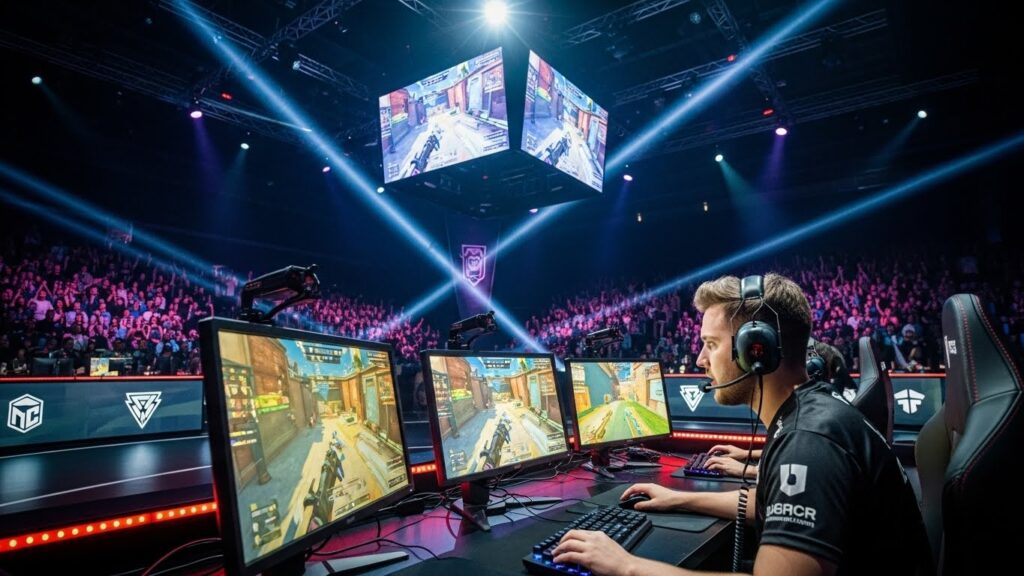
Professional esports players follow structured training routines similar to traditional athletes. They practice individual mechanics, team strategies, and game scenarios for several hours each day. Reviewing past performances allows players to identify mistakes and refine techniques. Physical fitness and mental well-being are increasingly prioritized, as endurance, posture, and stress management directly impact performance. This level of preparation underscores that esports requires dedication, discipline, and strategic thinking, challenging the misconception that gaming is purely recreational.
Esports as a Spectator Experience
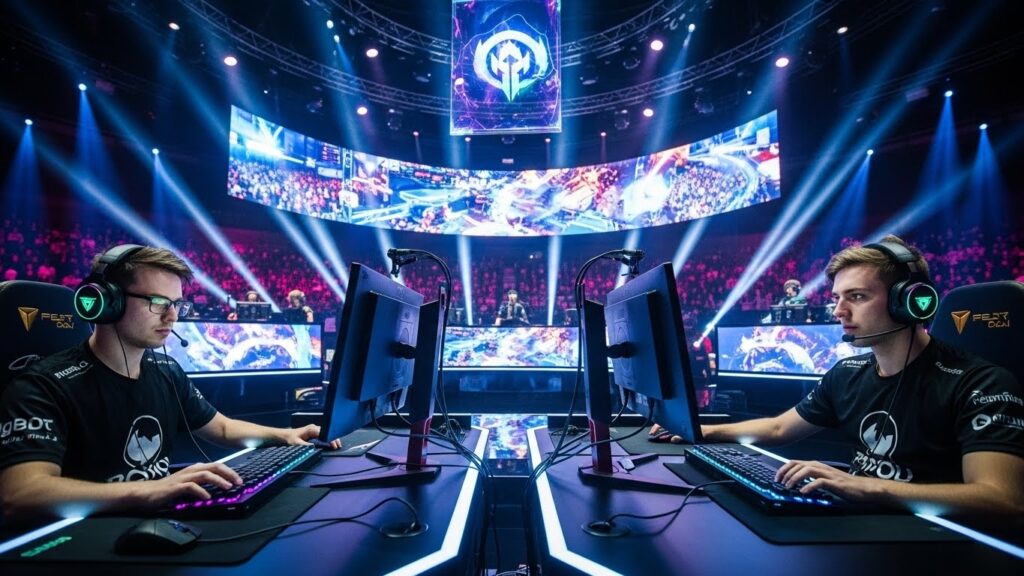
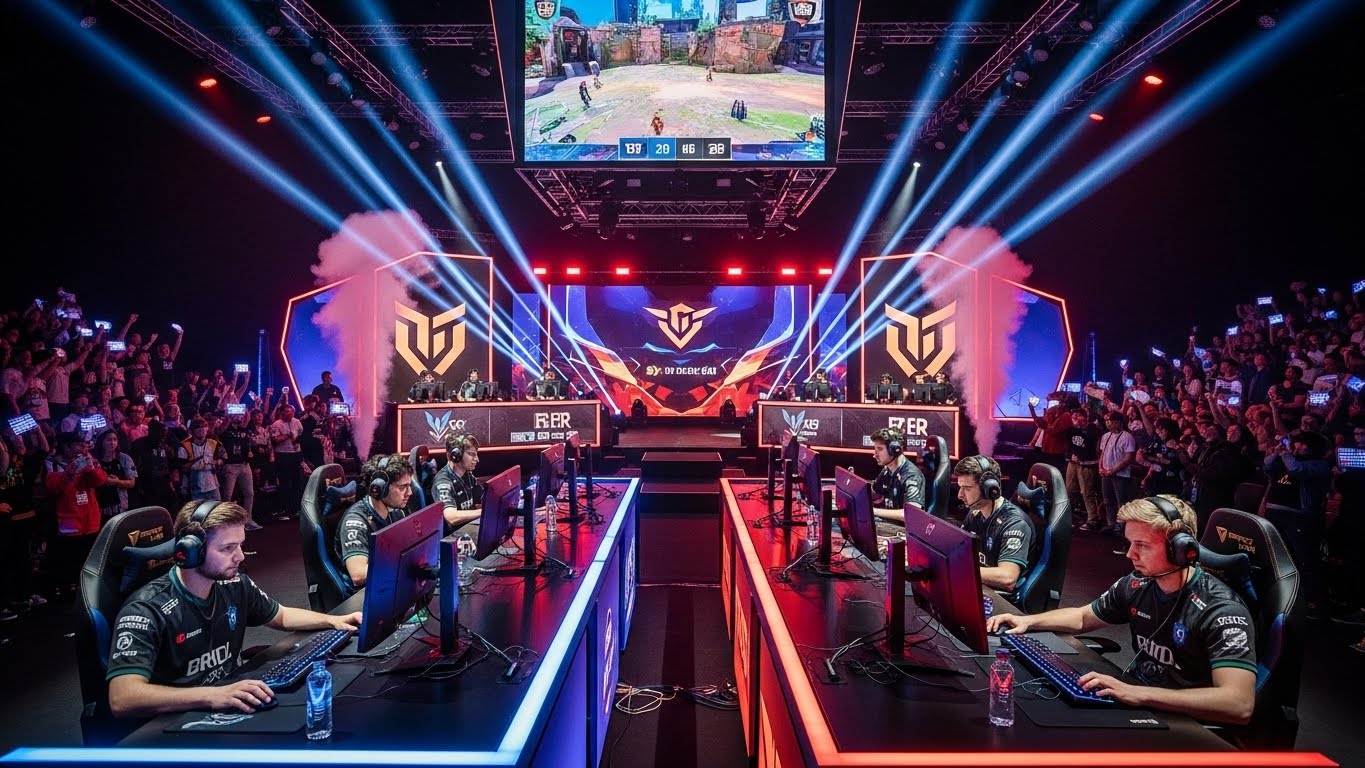
Watching esports has become a global form of entertainment. Live tournaments attract millions of online viewers, while major events are held in stadiums with live audiences. Professional commentary, real-time analysis, and dramatic gameplay make the viewing experience engaging and immersive. Fans follow their favorite players and teams passionately, celebrating victories and discussing strategies. Interactive fan engagement, including live chats and social media discussions, further enhances the experience. Esports has become a cultural phenomenon where spectators actively participate in the narrative of competition.
Economic Impact of Esports
The financial significance of esports cannot be overstated. Revenue is generated through sponsorships, advertising, media rights, merchandise, and ticket sales. Professional players can earn substantial incomes from salaries, endorsements, and tournament winnings. Esports has also created careers in coaching, content creation, event management, and broadcasting. Cities hosting large tournaments benefit from tourism, infrastructure development, and job creation. The economic impact of esports demonstrates its potential as a sustainable industry with global influence.
Esports and Education
Esports is increasingly recognized as a valuable tool in education. Many schools and universities offer esports programs that teach teamwork, leadership, and technical skills. Scholarships for talented players help integrate competitive gaming with academic achievement. Participation in esports cultivates discipline, problem-solving, and communication abilities that are transferable to careers beyond gaming. Additionally, exposure to technology and digital strategy encourages interest in computer science, game design, and media production, bridging entertainment and education.
Community and Social Engagement
Esports fosters strong community connections. Online forums, social media groups, and fan communities allow players and enthusiasts to share experiences, strategies, and insights. Local tournaments and conventions provide opportunities for social interaction and networking. The collaborative nature of team-based games and community events encourages mentorship, teamwork, and cultural exchange. Esports demonstrates how digital platforms can create meaningful social bonds, connecting people across regions and backgrounds.
Challenges in the Esports Industry
Despite its growth, esports faces significant challenges. Player burnout and mental health pressures are common due to long hours of practice and intense competition. Cheating, online harassment, and lack of regulatory standards can undermine fairness and integrity. Accessibility remains uneven, with socioeconomic barriers limiting participation in some regions. Addressing these issues requires ethical governance, community support, and investment in player welfare to ensure esports remains inclusive, equitable, and sustainable.
Diversity and Inclusion
Diversity is increasingly important in esports. Historically dominated by male players, the industry is gradually becoming more inclusive for women, underrepresented groups, and players with disabilities. Initiatives such as mentorship programs, inclusive tournaments, and supportive communities promote equal opportunity. A diverse player base enhances creativity, competition, and cultural richness. Embracing diversity ensures that esports reflects its global audience and promotes fairness, respect, and collaboration.
Cultural Influence of Esports
Esports has become a major cultural force. It shapes fashion, music, entertainment, and social trends. Gaming personalities are recognized as influencers and celebrities, inspiring youth and contributing to popular culture. Esports bridges generational gaps, as gaming becomes a shared interest among families and communities. Tournaments and events foster national pride and international camaraderie. The cultural impact of esports demonstrates its significance beyond the screen, influencing lifestyle, identity, and social interaction.
Technology Driving Esports
Technology underpins every aspect of esports. High-performance computers, gaming consoles, and peripherals enable precision and speed. Streaming platforms and broadcasting technology allow global audiences to watch tournaments in real time. Data analytics and performance tracking help players and teams refine strategies and improve outcomes. Emerging technologies, including virtual reality, augmented reality, and artificial intelligence, are expanding competitive formats and fan experiences. Technological innovation ensures that esports remains dynamic and constantly evolving.
The Future of Esports
The future of esports is poised for continued growth and innovation. Global audiences are expanding, and educational institutions, professional leagues, and media organizations are investing heavily in esports infrastructure. New game titles, competitive formats, and technological advancements will redefine the industry. Integration with mainstream sports and culture may further legitimize esports as a global phenomenon. As esports matures, it is set to become an enduring part of entertainment, culture, and digital competition worldwide.
Conclusion
Esports is more than a form of entertainment; it is a modern arena of skill, strategy, and digital excellence. Combining physical precision, mental agility, teamwork, and technological innovation, it has grown into a global phenomenon that rivals traditional sports. Esports fosters community, drives economic growth, inspires youth, and shapes culture. Its rapid evolution demonstrates the limitless potential of competition in the digital era. As esports continues to expand, it will remain a testament to human creativity, dedication, and the ever-changing landscape of modern competition.