Introduction: The Rapid Rise of Esports
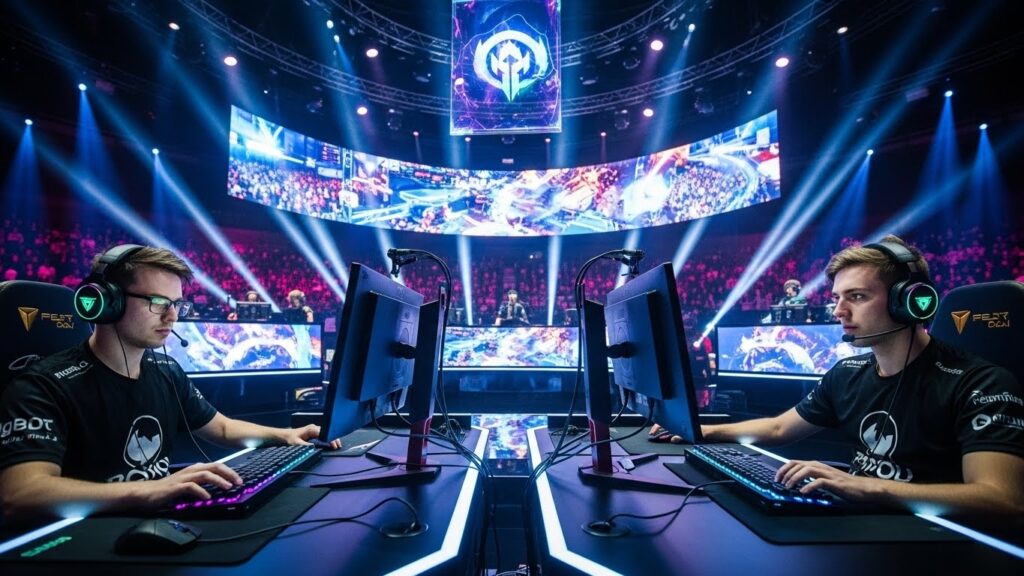
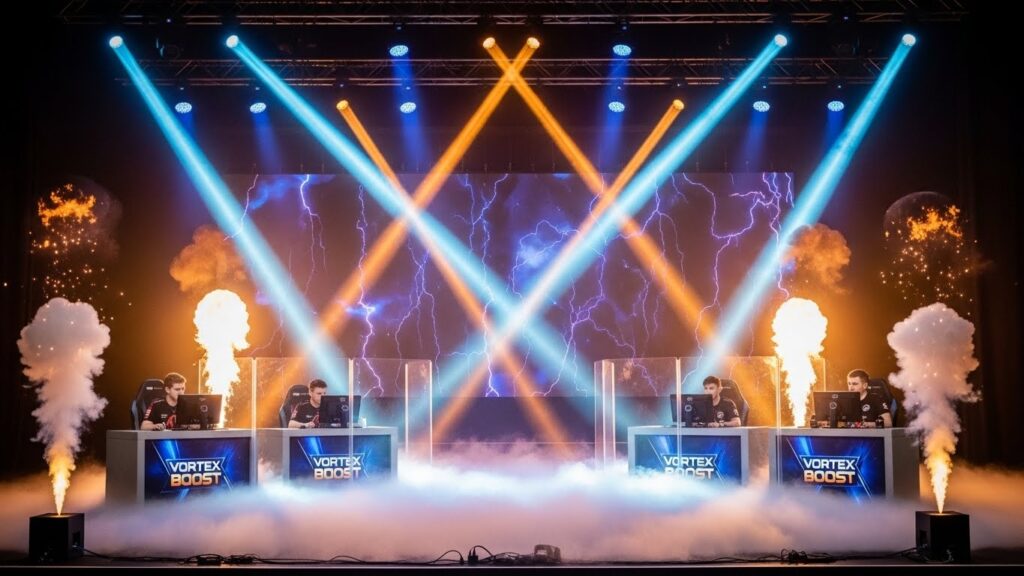
Esports has become one of the most exciting and rapidly growing industries of the 21st century. What once was seen as a niche hobby is now a full-fledged global phenomenon. Competitive gaming, or esports, is drawing millions of viewers, creating massive opportunities for players, and even attracting significant investments from major brands and media companies. But how did this digital revolution unfold, and where is it headed?
What is Esports?
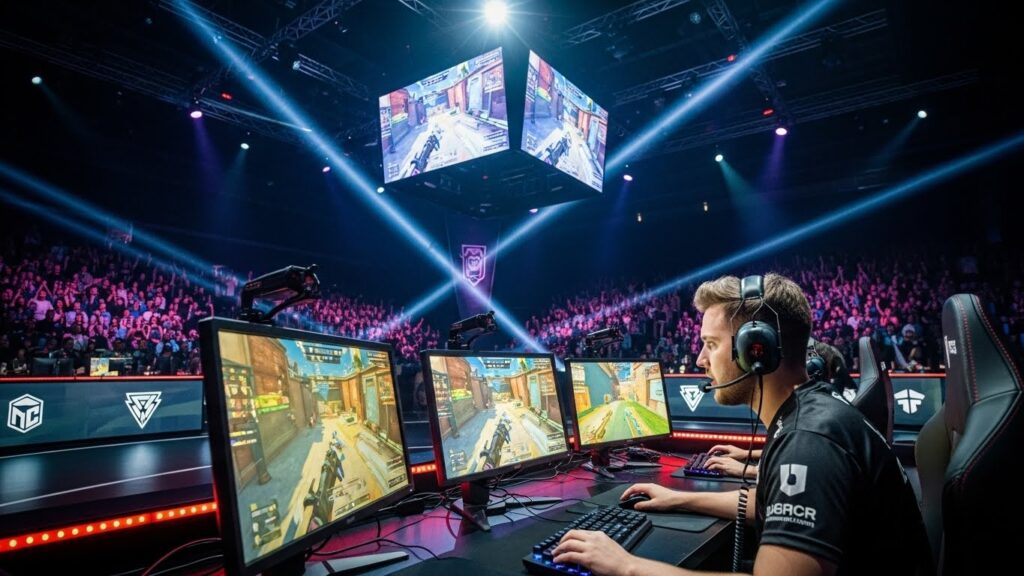
At its essence, esports refers to organized, multiplayer video game competitions, often involving professional players or teams. Unlike casual gaming, esports requires advanced strategies, intense training, and a high level of skill. Popular games such as League of Legends, Dota 2, Counter-Strike: Global Offensive, and Fortnite are some of the most watched and played titles in competitive circuits. These games have become arenas where athletes, coaches, and analysts come together to compete on an international stage.
The Transformation from Hobby to Career
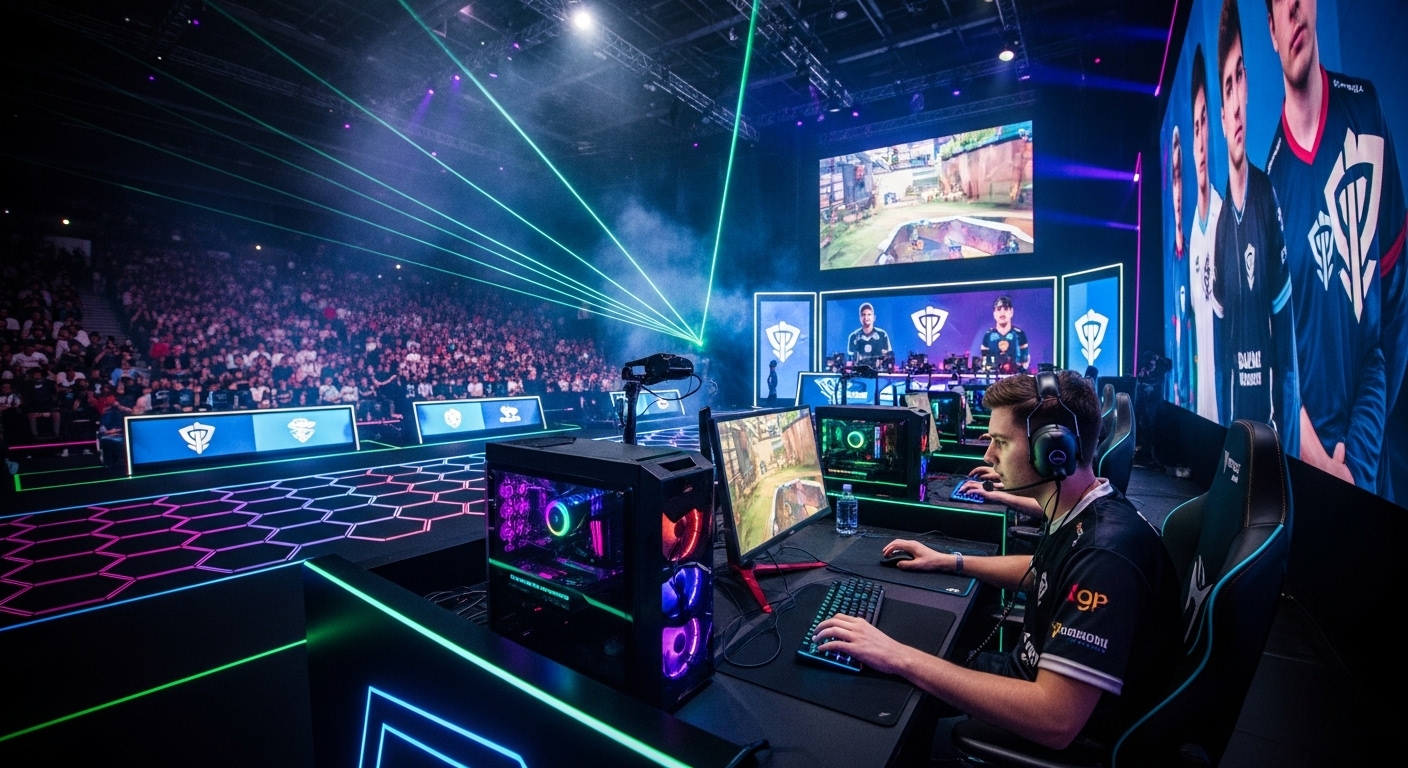
In the past, gaming was primarily a recreational activity. But over the years, a select group of players began to turn their love for video games into full-time careers. With the advent of streaming platforms like Twitch and YouTube, gamers could showcase their skills to a global audience. Over time, professional leagues and tournaments emerged, offering substantial prize pools and sponsorship deals. Today, esports players train just like traditional athletes, focusing on strategy, mechanics, and mental fortitude to stay at the top of their game.
Esports as a Multi-Billion Dollar Industry
The rise of esports has led to the creation of a booming global industry. Major sponsorships, advertising revenue, merchandise sales, and even media rights have turned esports into a multi-billion-dollar business. Brands such as Coca-Cola, Nike, and Intel have jumped on the esports bandwagon, seeing the potential to connect with the younger, tech-savvy demographic that makes up the core of esports audiences. This influx of money has allowed professional esports teams to grow, build fanbases, and operate like traditional sports franchises.
The Global Appeal of Esports
What sets esports apart from many other sports is its universal appeal. While traditional sports often depend on geographic location, esports can be played and watched anywhere in the world. Tournaments and events are streamed live to millions of viewers, with no boundaries separating fans. Countries like South Korea, China, and the United States have been at the forefront of esports culture, but the rise of internet accessibility and global platforms has allowed players from almost every corner of the world to compete at the highest level.
Challenges in the Esports Industry
Despite its rapid growth, the esports industry is not without its challenges. Player burnout is one of the most significant concerns, as the intense training regimens and pressure to perform can take a mental and physical toll on players. Additionally, there are ongoing discussions about the need for better regulations, such as age restrictions, contracts, and even anti-cheating measures. Inclusivity is also a growing issue, as the industry works to create more opportunities for women and underrepresented groups in a traditionally male-dominated space.
The Role of Esports in Education
An exciting development in the world of esports is its growing presence in educational institutions. Many universities now offer scholarships for esports athletes, and some even have dedicated teams and esports arenas on campus. These programs provide students with the opportunity to pursue gaming professionally while receiving an education. As esports continues to gain legitimacy, we can expect to see more schools embracing it as a viable career path for students passionate about gaming and competition.
The Future of Esports: What’s Next?
Looking ahead, the future of esports is filled with potential. Advances in technology, such as virtual reality (VR) and augmented reality (AR), could drastically change the way games are played and experienced. The integration of esports into traditional sports, like potential inclusion in the Olympics, could also push competitive gaming into the mainstream even further. As the digital landscape evolves, esports will continue to push boundaries, offering new ways for players and fans to engage with the sport.
Conclusion: A Digital Revolution in the Making
Esports has come a long way from its humble beginnings. It has grown into a powerful cultural and economic force, attracting attention from all corners of the globe. As the industry continues to expand, one thing is certain: esports is more than just a game. It is a movement that has transformed gaming into a professional and competitive arena, reshaping entertainment for a new generation.