Introduction: The Unstoppable Growth of Esports
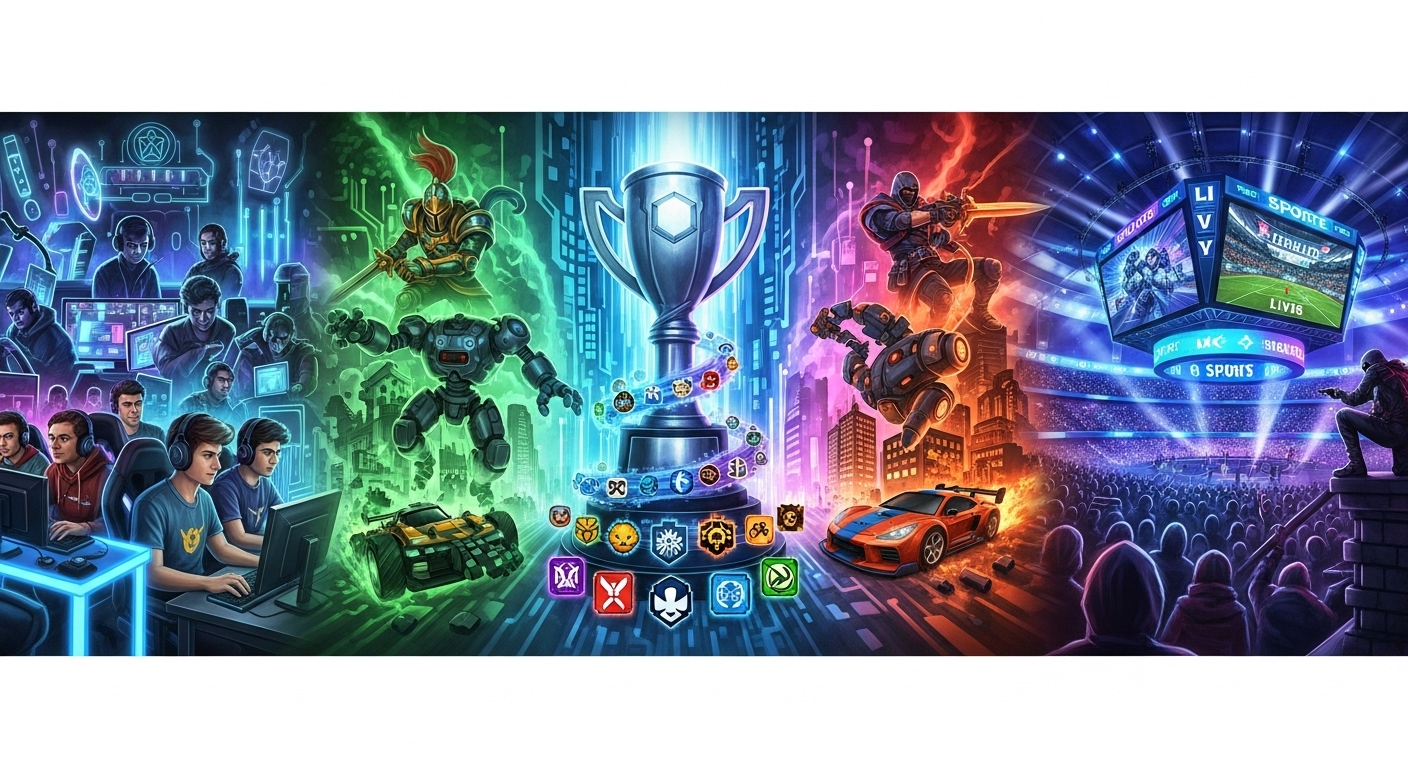
Esports, once considered a niche hobby for gamers, has evolved into a global phenomenon. What started as small LAN (Local Area Network) tournaments has now blossomed into a multibillion-dollar industry, with millions of players and fans around the world. Esports has expanded beyond video games into a mainstream cultural force, attracting sponsorships from major brands, broadcasting deals with major networks, and even the attention of educational institutions. This blog explores the rapid growth of esports, its cultural significance, and how it’s changing the way we view gaming and competition.
From Hobby to Industry: The Evolution of Esports
In the early days, competitive gaming was something of a fringe activity. Players competed in basement tournaments or at small conventions, gathering to show off their skills in games like StarCraft, Quake, and Warcraft. Fast forward to today, and esports has become a billion-dollar industry with professional teams, massive sponsorships, and international tournaments. Games like League of Legends, Dota 2, Fortnite, and Counter-Strike have paved the way for esports to become a professional sport, attracting millions of viewers on platforms like Twitch, YouTube, and traditional TV networks.
The rise of streaming platforms and digital broadcasting has given players and teams direct access to global audiences, creating a real-time connection between fans and their favorite players. This digital revolution has made esports one of the fastest-growing entertainment sectors in the world. It’s no longer just about playing games; it’s about creating a career, building a brand, and engaging with a community of like-minded fans.
Esports as a Career: A New Generation of Professional Athletes
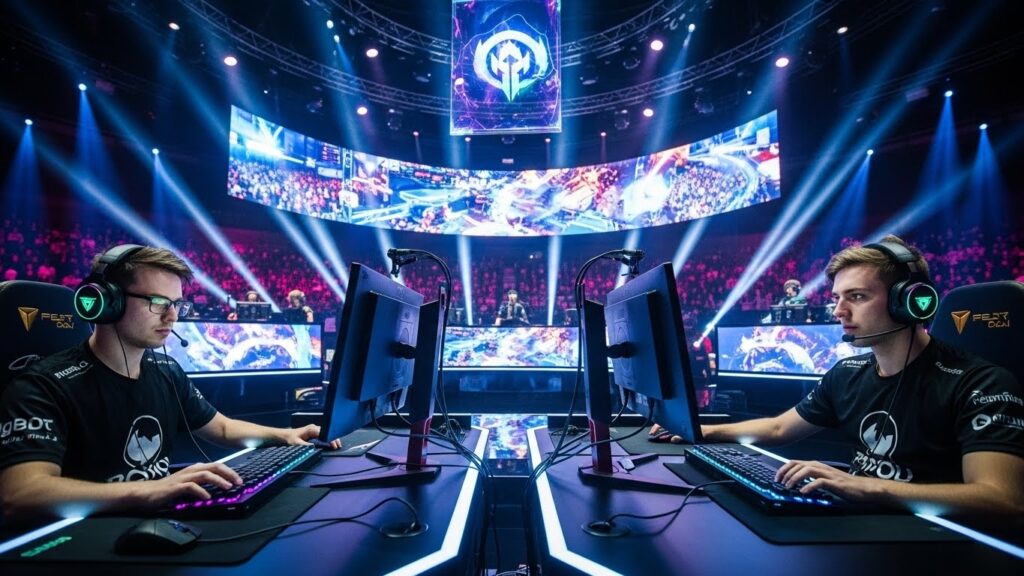
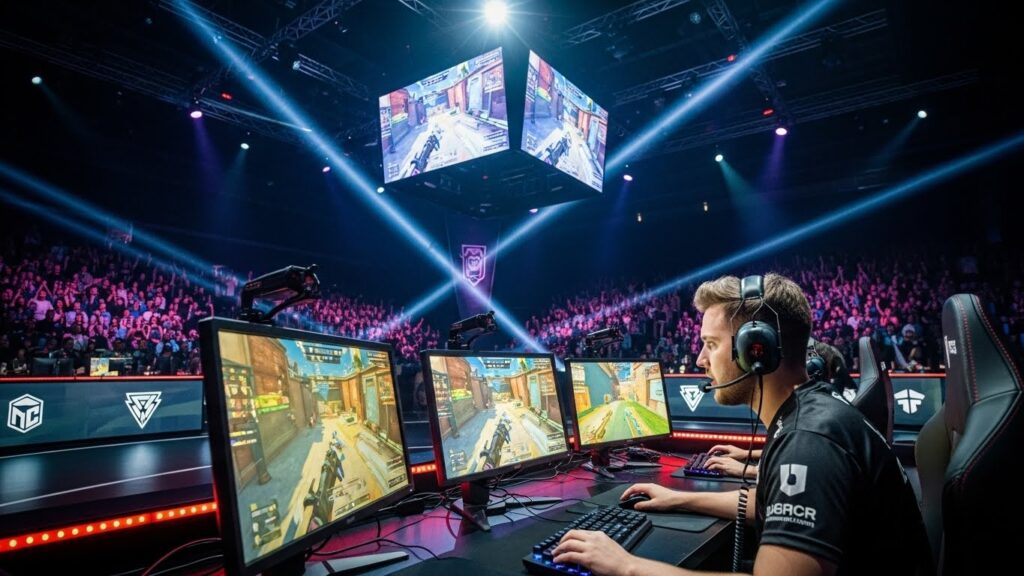
Esports has given birth to a new generation of professional athletes who compete at the highest level in games instead of traditional sports. These players undergo rigorous training regimes, just like athletes in football or basketball, with practice sessions, strategies, and constant improvement of skills. The mental and physical demands of esports are intense, with players needing lightning-fast reflexes, sharp decision-making abilities, and a keen understanding of complex game mechanics.
The life of a professional gamer isn’t all fun and games—there is hard work, discipline, and a relentless commitment to the craft. Players often practice for several hours each day, analyzing past performances, studying opponents, and fine-tuning their techniques. As a result, esports players can make substantial earnings, not just from tournament winnings, but also through sponsorships, streaming, and content creation. In fact, many top esports athletes have turned their gaming careers into multi-million-dollar businesses, gaining celebrity status and widespread recognition.
The Fan Experience: Connecting Through Digital Communities
What sets esports apart from traditional sports is the way fans engage with the content. Esports fans are incredibly passionate, and they are just as much a part of the experience as the players themselves. With the advent of live-streaming platforms like Twitch, fans can watch their favorite players compete in real-time, participate in chat discussions, and even interact directly with players during live streams. This level of interaction creates a sense of community that traditional sports often struggle to replicate.
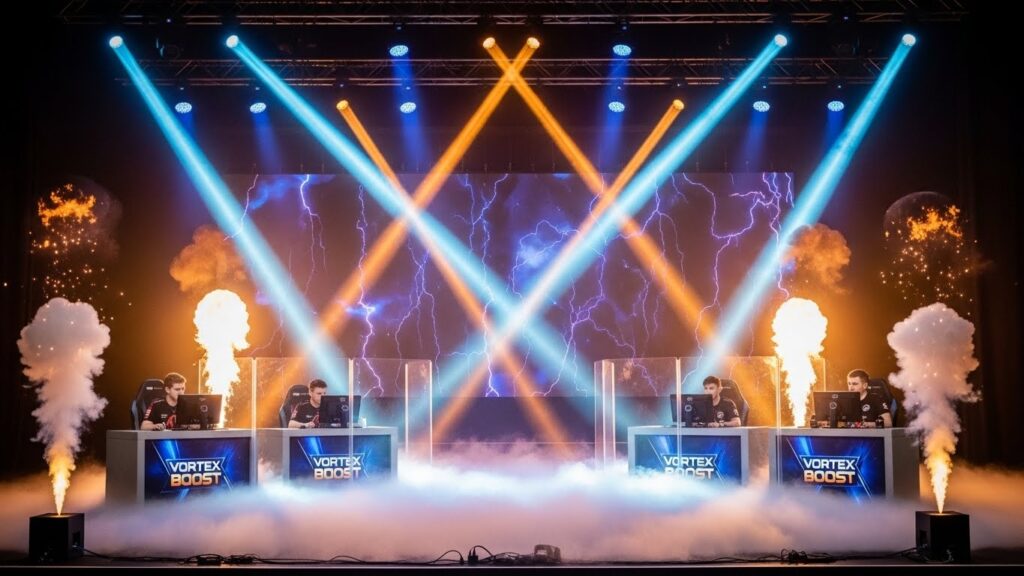
Fans can also attend esports events, with major tournaments held in massive arenas worldwide. Events like The International for Dota 2 and the League of Legends World Championship draw in hundreds of thousands of attendees, both in person and online. These events are often broadcast on major networks, complete with live commentary, post-match analysis, and fan engagement segments. The fan experience in esports is deeply interactive, blending entertainment, competition, and community all in one.
The Role of Sponsors and Partnerships in Esports Growth
Esports has attracted attention from major global brands, and sponsorships have become a key driver of its growth. Companies like Coca-Cola, Intel, Nike, and Mercedes-Benz have partnered with esports teams and tournaments, recognizing the vast potential to reach younger, tech-savvy audiences. These partnerships bring significant funding to the industry, allowing tournament organizers to offer larger prize pools, invest in production quality, and expand the reach of esports events.
Sponsorships also help esports organizations grow by providing financial backing to develop teams, improve facilities, and promote events. In return, sponsors gain visibility and credibility among the esports community. The convergence of brands and esports has created a thriving ecosystem where companies and players alike benefit from shared growth and exposure. The continued influx of sponsors into esports will likely fuel even more rapid expansion in the years to come.
Esports and the Future of Education: Gaming as a Pathway to Success
Esports is also making waves in the education sector, with universities and colleges around the world beginning to offer scholarships for competitive gaming. Schools are recognizing the value of esports not only as a recreational activity but also as a legitimate academic pursuit. Many institutions have created specialized programs to teach students about game design, broadcasting, digital marketing, and event management—skills that are directly applicable to the esports industry.
In fact, some universities have gone as far as creating dedicated esports arenas and offering full scholarships to players. This educational integration is helping to legitimize esports as a career path and providing students with opportunities to build their skills while competing at the collegiate level. As esports continues to grow, we will likely see more academic institutions adopting esports as a central part of their curriculum.
The Global Impact of Esports: Cultural Significance Beyond Gaming
Esports has evolved into a global cultural movement, transcending borders and languages. Unlike traditional sports that are often region-specific, esports has a unique global reach. A player from South Korea can compete against someone from North America or Europe, with millions of fans from all over the world tuning in to watch. The global nature of esports has fostered an inclusive environment where gamers from diverse backgrounds can come together to compete and support their favorite players.
This sense of global unity is also evident in the cultural shifts that esports has triggered. Major esports tournaments are broadcast in multiple languages, allowing fans from all corners of the globe to enjoy the same event. The rise of esports has also created a new kind of celebrity culture, where top gamers are recognized worldwide, even if they haven’t competed in traditional sports. Esports has become a melting pot of cultures, ideas, and talents, creating a sense of belonging for millions of fans.
The Challenges Ahead: Overcoming the Stigma and Ensuring Longevity
Despite its rapid growth, esports still faces certain challenges, most notably the stigma that gaming is a waste of time or a frivolous hobby. While attitudes are shifting, there is still a portion of the population that views esports as less legitimate than traditional sports. To overcome this, the esports industry will need to continue proving that gaming is not just about entertainment, but also about skill, strategy, and dedication.
Additionally, the sustainability of esports will depend on how well the industry adapts to the changing needs of players and fans. Issues like player burnout, match-fixing, and ensuring fair competition will need to be addressed for the industry to maintain its momentum. As esports continues to evolve, it will have to balance growth with maintaining integrity and long-term sustainability.
Conclusion: Esports is Here to Stay
Esports is no longer just a subculture; it has become a global entertainment industry with its own stars, events, and fanbase. What began as a pastime has grown into a multi-billion-dollar ecosystem, influencing everything from media to education. With continued innovation, sponsorships, and a growing global audience, esports will continue to shape the future of entertainment for generations to come.
As esports continues to evolve, it will undoubtedly have an even greater impact on the gaming industry and beyond. Whether you’re a casual viewer, a passionate gamer, or a professional athlete, one thing is clear—esports has become an integral part of the digital landscape and is here to stay.