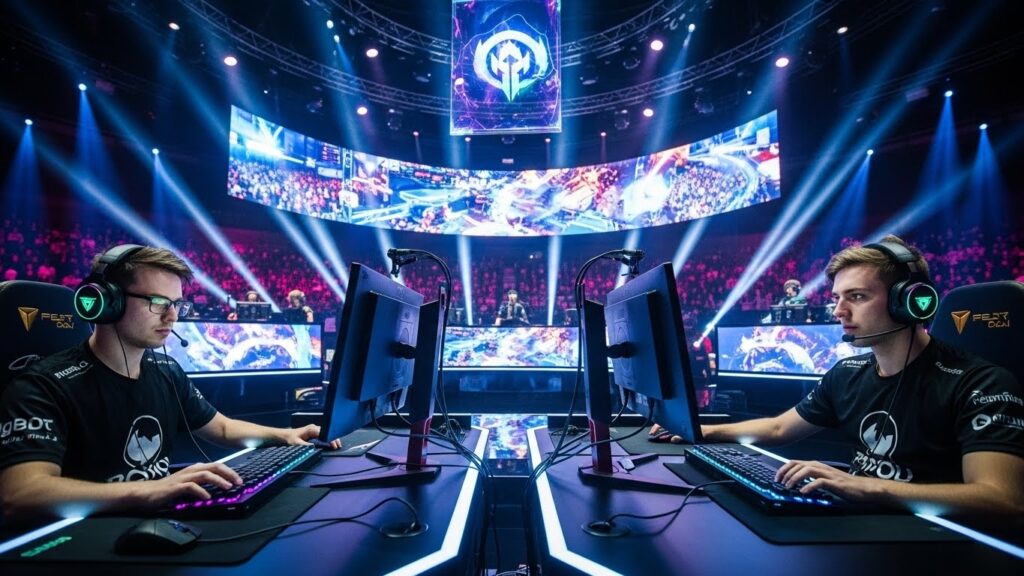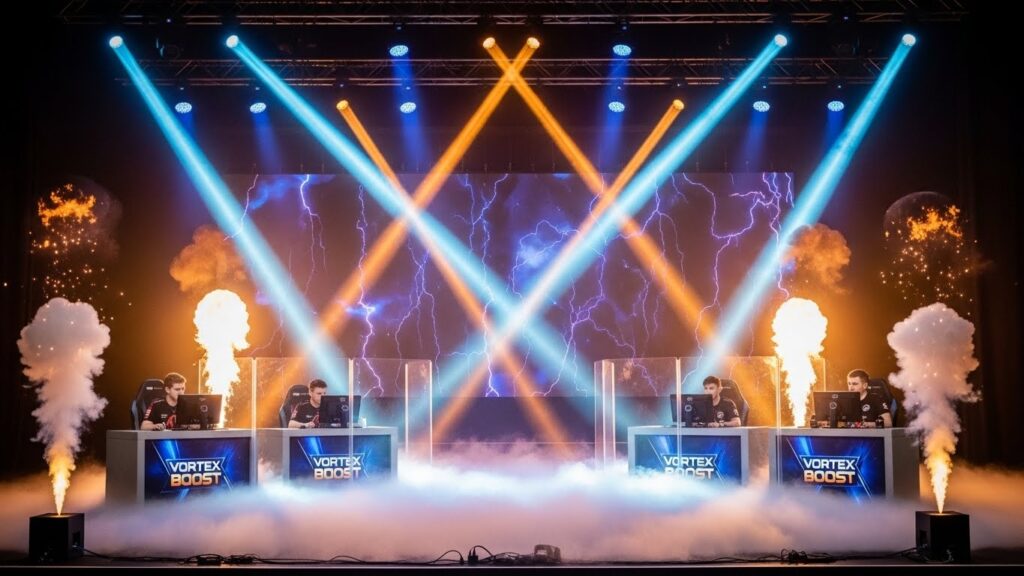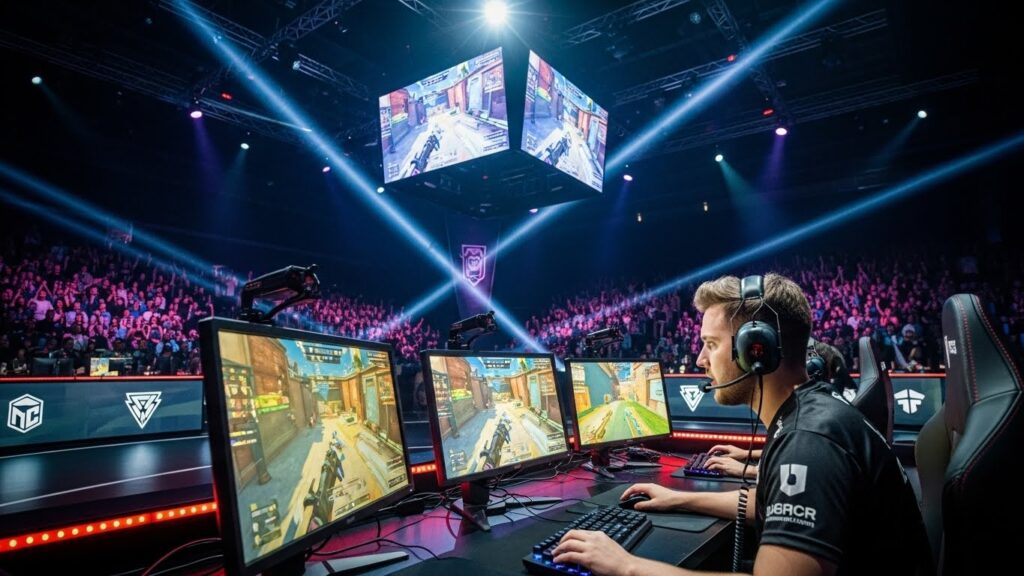
In the world of entertainment, few industries have experienced such rapid growth and transformation as esports. Once a niche hobby for a small group of competitive gamers, esports has exploded into a multi-billion-dollar industry with global recognition, major sponsorships, and millions of fans. From adrenaline-pumping tournaments to professional careers, esports is not just about playing games—it’s about creating a global spectacle where skill, strategy, and entertainment collide. This post delves into the rise of esports, its appeal, and its potential to reshape the future of entertainment.
Understanding Esports: A New Era of Competition
Esports refers to organized, multiplayer video game competitions, particularly between professional players or teams. Unlike casual gaming, esports is highly structured, with players often competing in leagues and tournaments that span months or even years. The games themselves can range from fast-paced first-person shooters (FPS) like Call of Duty and Counter-Strike, to strategy-based games like StarCraft II and League of Legends, to multiplayer battle royale games like Fortnite and PUBG.
Esports is more than just playing video games—it’s a professional, high-stakes environment where skill and precision are paramount. Players train for hours, developing expertise in mechanics, strategy, teamwork, and mental fortitude. The competitions are broadcasted live, with huge fan followings, similar to traditional sports events like the Super Bowl or World Cup.
The Global Growth of Esports
Esports has transformed from an underground community to a global phenomenon in less than two decades. The rise of high-speed internet, streaming platforms, and gaming consoles has made it easier for players and viewers alike to engage with competitive gaming.
Platforms like Twitch, YouTube, and Facebook Gaming have given esports a massive global stage. With millions of people tuning in to watch live streams, commentaries, and highlights of the latest tournaments, esports events now rival traditional sports in terms of viewership and engagement. For example, The International, the world championship for Dota 2, regularly attracts more viewers than major sports finals, with prize pools reaching over $30 million.
The revenue generated by esports events, sponsorships, and advertising is expected to surpass $1 billion in the near future, further cementing esports’ position as a mainstream entertainment force. Traditional sports organizations and even media giants are taking notice, investing in esports teams and creating partnerships to bring esports to a wider audience.
What Makes Esports So Captivating?
One of the main reasons esports has gained such rapid popularity is its accessibility. Unlike traditional sports, which require physical talent or access to expensive equipment, esports only requires a device (like a PC or console) and an internet connection. Whether you’re a casual gamer or an aspiring professional, anyone can participate in or watch esports from anywhere in the world. This global accessibility has opened the door to diverse audiences, breaking down geographic and socio-economic barriers.
Additionally, esports combines the best of both entertainment and competition. Fans enjoy the thrill of watching high-level, fast-paced games that require lightning-fast reflexes and tactical thinking. The excitement of seeing a player pull off a clutch move or a team mount a comeback mirrors the emotional highs and lows of watching any traditional sport.
Esports also allows for deep fan engagement. Viewers can interact with players during streams, join discussions on social media, and attend live tournaments. This sense of community creates strong fan loyalty and connection, something that makes esports particularly unique when compared to other forms of entertainment.
Professional Esports: The New Breed of Athletes
The rise of esports has created a new breed of professional athletes—players who train intensively to hone their skills, much like athletes in traditional sports. Esports professionals are dedicated to perfecting their gameplay, often practicing for 8 to 10 hours a day. Unlike traditional sports, where physical training is key, esports training focuses on mental acuity, hand-eye coordination, teamwork, and quick decision-making.
Professional esports players are often part of large organizations that manage their training, marketing, and sponsorship deals. These organizations have coaches, analysts, and support staff who help players refine their strategies and mental game. Teams compete in various leagues, with the best players from around the world battling for high-stakes prize pools, sponsorships, and, of course, the glory of winning.
Just like traditional sports stars, esports players gain significant fame and recognition. Top players often live-stream their games, interact with fans on social media, and receive endorsement deals from major brands. These players have turned competitive gaming into a full-time career, where they not only compete for large prize pools but also serve as influencers and brand ambassadors.
The Impact of Esports on Traditional Sports
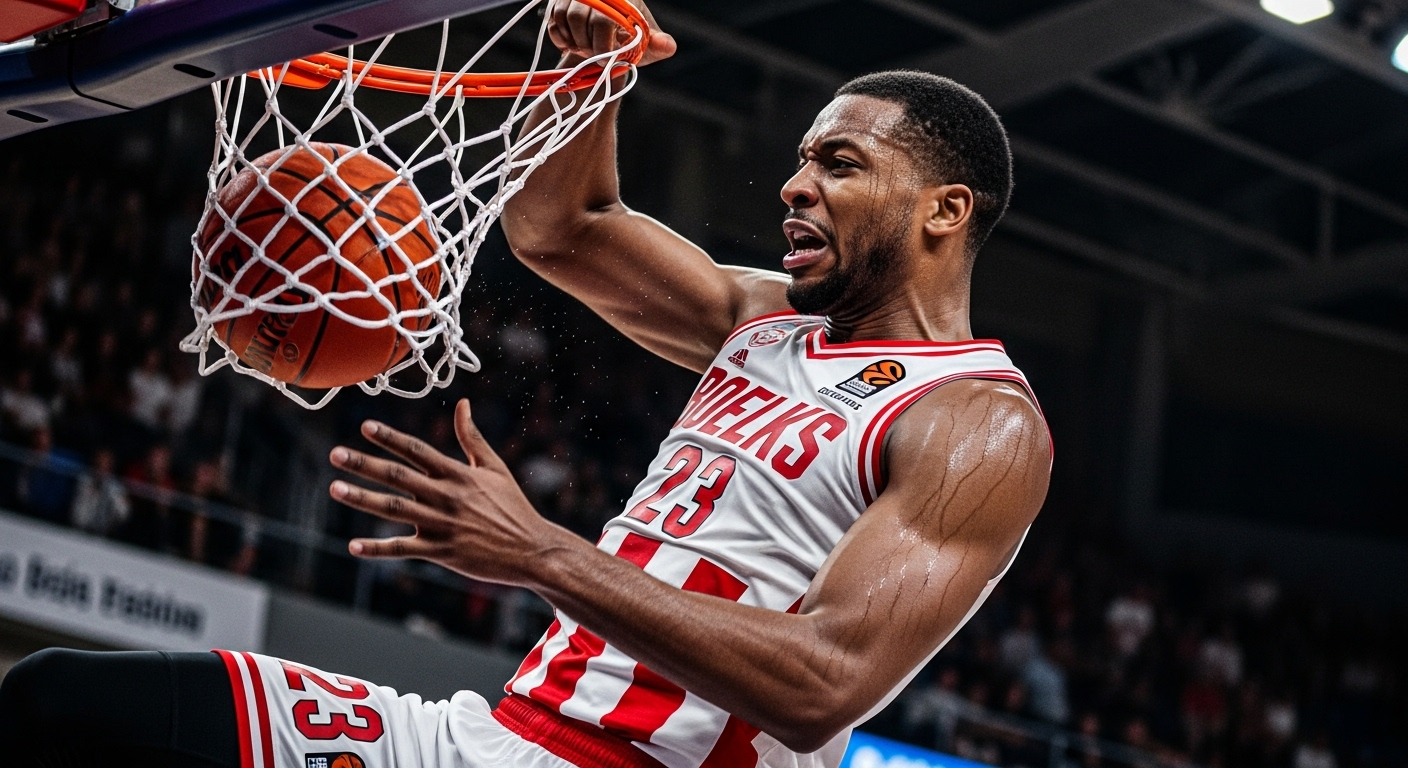
The rise of esports has not only created a new form of competition but has also started to blur the lines between digital and traditional sports. Many sports organizations have recognized the potential of esports and have begun investing in or creating their own esports teams and leagues. The NBA, for example, has launched its own esports league, the NBA 2K League, where players compete in NBA 2K, the basketball video game. Similarly, the English Premier League has partnered with FIFA to host esports tournaments centered around the FIFA video game franchise.
This cross-pollination between traditional and digital sports has helped legitimize esports and increase its visibility among mainstream audiences. In some ways, esports has become a complementary part of the global sports ecosystem, attracting younger audiences who may not have been as interested in traditional sports. As esports continues to evolve, this integration with traditional sports is likely to grow, creating new opportunities for athletes, sponsors, and fans alike.
The Future of Esports: Endless Possibilities
Looking ahead, the future of esports is incredibly bright. As technology continues to advance, so too will the experiences that esports offers. Virtual reality (VR) and augmented reality (AR) are likely to play significant roles in the next generation of esports, offering fans an even more immersive experience. Imagine stepping into a fully immersive virtual arena, watching your favorite players from the sidelines, or even participating in a match yourself.
The global expansion of esports will also continue. Regions that were once untapped, such as Southeast Asia, Africa, and Latin America, are quickly becoming major esports hubs, with local tournaments and teams gaining traction. As mobile gaming continues to rise in popularity, mobile esports will also play a major role in esports’ continued growth, allowing players to compete on-the-go using their smartphones.
Furthermore, as esports is increasingly accepted as a legitimate sport, it may even be included in major international events like the Olympics. Discussions are already underway regarding the inclusion of esports in future Olympic Games, which would further elevate its status and reach a broader audience.
Conclusion: Esports as a Cultural Movement
Esports is no longer just about playing video games—it has evolved into a global cultural movement that transcends borders, bringing together millions of fans, players, and organizations. With its combination of high-level competition, entertainment, and accessibility, esports is not just shaping the future of gaming but also influencing the broader entertainment and sports industries.
As the industry continues to grow and evolve, esports is poised to become an even bigger force in global entertainment. The skill, dedication, and excitement of esports make it a truly unique experience—one that will continue to captivate audiences for generations to come. Whether you’re a gamer, a fan, or simply someone interested in the future of entertainment, esports is here to stay, and its impact will only continue to grow.