Esports has transformed from a niche hobby into a worldwide entertainment and sports phenomenon. What once consisted of local gaming tournaments in small arcades has grown into a multi-billion-dollar industry with professional teams, international competitions, and millions of viewers tuning in to watch events online and in arenas. The evolution of esports reflects changes in technology, culture, and media consumption, proving that video games are no longer just a pastime—they are a serious competitive and cultural force.
What is Esports?
Esports, short for electronic sports, refers to organized competitive gaming where players or teams compete in specific video games. These competitions can range from small local events to international tournaments featuring millions in prize money. The competitive aspect is what sets esports apart from casual gaming, requiring strategy, skill, teamwork, and dedication.
Unlike traditional sports, esports is primarily digital, taking place online or in live arenas. Players can compete in real-time against others from across the globe, often while audiences watch through live streaming platforms. This combination of competition, entertainment, and technology has made esports one of the fastest-growing industries in the world.
A Brief History of Competitive Gaming
Competitive gaming is not new. In the 1970s and 1980s, arcade tournaments for games like Pong and Space Invaders were among the first organized competitions. High-score contests created a sense of rivalry and community among early gamers.
The 1990s saw the rise of PC gaming, with titles like StarCraft, Counter-Strike, and Quake creating competitive communities that played in LAN (Local Area Network) tournaments. This era established many of the foundations of modern esports, including organized leagues, structured tournaments, and fan followings.
The widespread adoption of the internet in the 2000s further accelerated esports. Online multiplayer games allowed players to compete globally, and streaming platforms enabled audiences to watch events live, giving esports a massive boost in visibility and popularity.
Popular Esports Genres
Esports is not limited to one type of game. It spans multiple genres, each with unique mechanics and fan bases:
Multiplayer Online Battle Arena Games
Games in this category, such as League of Legends and Dota 2, require teams to compete strategically to destroy their opponent’s base. These games combine individual skill with team coordination, making them ideal for high-stakes competition.
First-Person Shooters
FPS games like Counter-Strike: Global Offensive, Call of Duty, and Valorant focus on reflexes, precision, and tactical strategy. These games are highly popular in esports due to their fast-paced action and spectator-friendly gameplay.
Real-Time Strategy Games
RTS titles, including StarCraft II, demand critical thinking, multitasking, and long-term planning. Players must manage resources, control units, and execute strategies under pressure.
Battle Royale Games
Battle royale games such as Fortnite and Apex Legends feature large-scale competitions where players fight to be the last one standing. Their unpredictability and high stakes make them thrilling for both players and viewers.
Sports and Racing Games
Digital versions of traditional sports like FIFA or NBA 2K and racing games like iRacing allow players to compete in familiar formats, merging real-world sports fandom with digital competition.
The Life of a Professional Esports Athlete
Professional esports players follow highly disciplined routines similar to traditional athletes. Training often involves hours of daily practice, strategy sessions with teammates, physical fitness exercises, and mental conditioning.
Esports organizations also employ coaches, analysts, nutritionists, and psychologists to support player performance. This professional structure ensures that athletes can perform at their peak and handle the mental and physical demands of competition.
Unlike casual gamers, professional players must maintain consistent performance, adapt to meta changes in games, and navigate the pressures of live events and global fan scrutiny.
Esports Teams and Organizations
Esports teams function like professional sports clubs. They recruit talented players, manage coaching staff, and participate in tournaments and leagues. Many teams have expanded their influence beyond gaming by building strong brand identities, selling merchandise, and producing content for fans.
Top-tier esports organizations often compete across multiple games, creating diverse fan bases and global recognition. The commercial success of these organizations highlights esports’ legitimacy as both a competitive and business enterprise.
Major Esports Tournaments
Esports tournaments can be massive spectacles. Events like The International for Dota 2, the League of Legends World Championship, and Fortnite World Cup attract millions of viewers worldwide and offer prize pools worth millions of dollars.
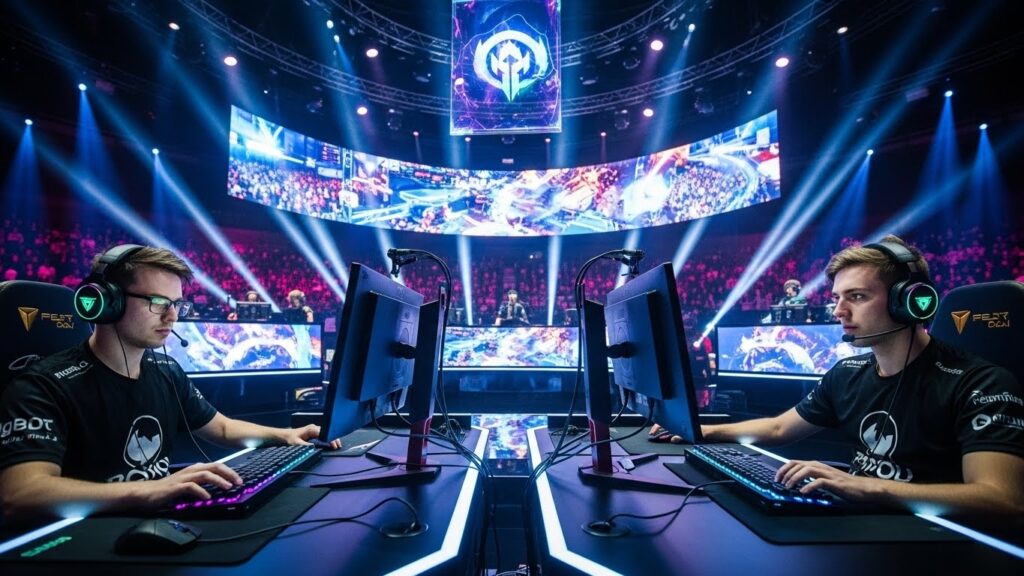
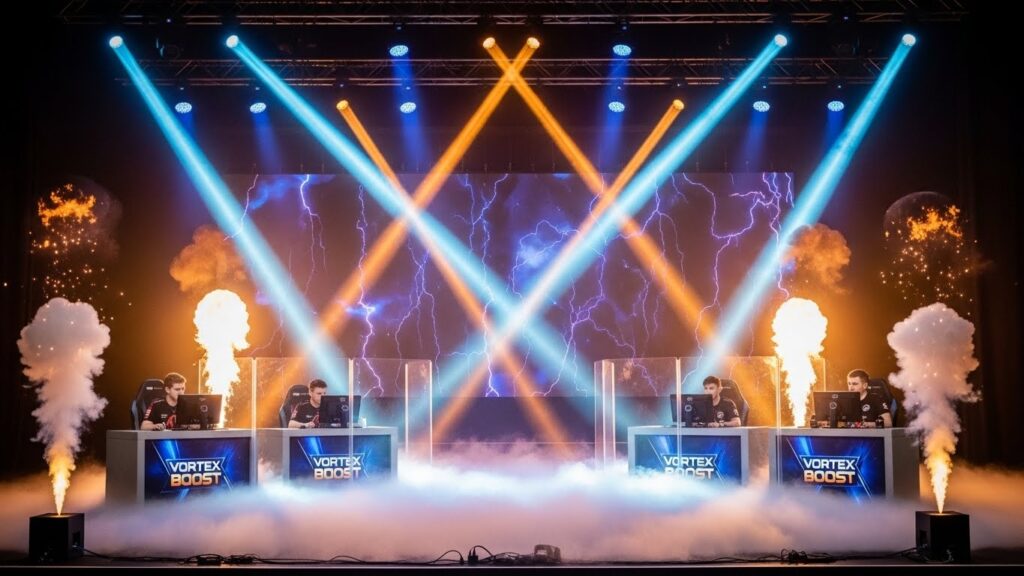
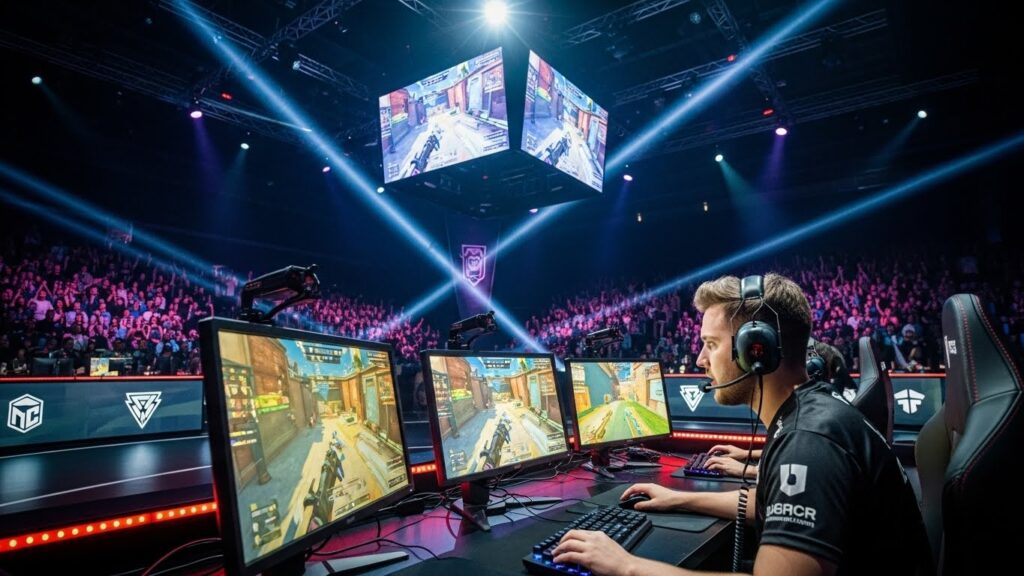
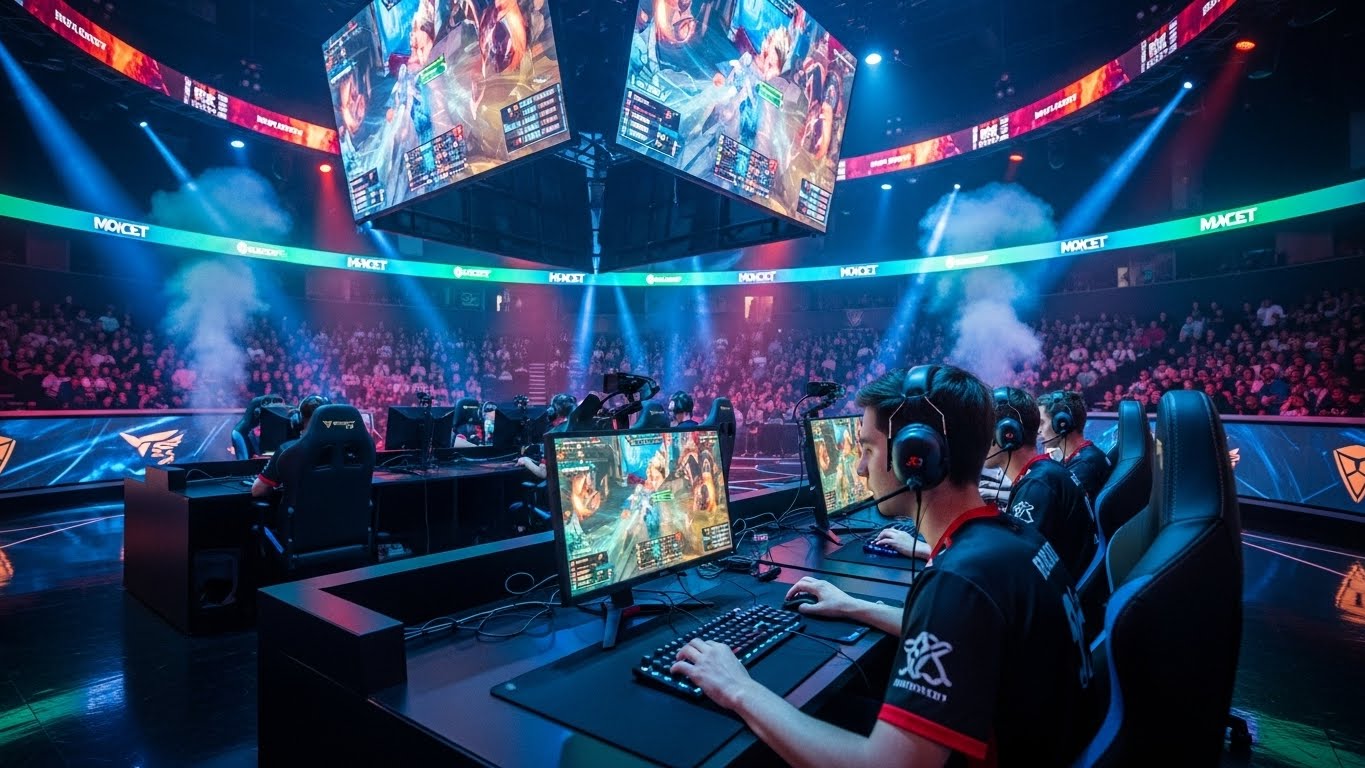
Live tournaments are known for their high-energy environments, professional production, and audience engagement. They combine gaming with entertainment, featuring live commentary, interactive experiences, and fan interaction. These events showcase the intensity, skill, and drama of esports, making it compelling for both participants and spectators.
The Esports Audience
Esports has cultivated a young, global, and highly engaged audience. Fans follow players and teams on social media, watch live matches, interact through online communities, and often participate in games themselves.
This audience has drawn significant attention from sponsors and brands seeking to engage with digitally native consumers. Unlike traditional media audiences, esports fans actively engage with content, making the industry highly interactive and appealing to advertisers.
Streaming and Content Creation
Streaming platforms such as Twitch and YouTube Gaming play a crucial role in the esports ecosystem. Fans watch live matches, follow professional players, and engage through interactive chats. Content creators complement professional esports by providing tutorials, gameplay commentary, and entertainment content for broader audiences.
The combination of professional competition and casual content allows players to build personal brands, connect with fans, and expand the reach of esports beyond live tournaments. This has created a vibrant ecosystem that blends sport, entertainment, and media.
Economic Impact of Esports
Esports has become a multi-billion-dollar industry. Revenue comes from sponsorships, advertising, media rights, merchandise, ticket sales, and in-game purchases. Game developers, tournament organizers, teams, and streaming platforms all contribute to the industry’s economic ecosystem.
The commercial potential of esports continues to attract investments from technology companies, traditional sports organizations, and media conglomerates. The industry’s growth demonstrates that competitive gaming is not just entertainment—it is an economic force with global significance.
Education and Career Opportunities in Esports
Esports has opened new educational and professional pathways. Universities now offer esports scholarships, degree programs, and specialized courses in areas such as esports management, game design, and digital marketing.
Career opportunities extend far beyond playing professionally. Analysts, commentators, coaches, event organizers, content creators, and marketing specialists are all integral to the esports ecosystem. This diversity of roles highlights esports as a legitimate industry with sustainable career potential.
Social and Cultural Impact of Esports
Esports fosters global communities by connecting players from different cultures and backgrounds. Online and offline tournaments encourage collaboration, friendship, and teamwork, while fan communities create shared experiences and cultural movements.
Esports also promotes inclusivity, allowing individuals who may not engage in traditional sports to participate competitively. It empowers players to express themselves, develop confidence, and build social connections in supportive environments.
Challenges in the Esports Industry
Despite its rapid growth, esports faces challenges. Player burnout, physical strain, and mental health pressures are common due to long practice hours and high competition. Regulation and fair play are ongoing concerns, as tournament organizers work to maintain integrity and prevent cheating.
Diversity and accessibility remain areas for improvement. The industry must ensure that opportunities exist for underrepresented groups and that esports communities remain inclusive and welcoming. Addressing these challenges is essential for sustainable growth.
The Future of Esports
The future of esports is bright. Emerging technologies such as virtual reality, augmented reality, cloud gaming, and artificial intelligence will continue to shape the industry. Hybrid events combining physical arenas and digital participation will expand accessibility and fan engagement.
Esports is expected to become further integrated into mainstream culture, with larger prize pools, global sponsorships, and new competitive formats. As the industry continues to grow, esports will not only be entertainment but also a cultural and social force connecting millions worldwide.
Conclusion
Esports has grown from humble beginnings into a global phenomenon that combines competition, entertainment, and technology. Professional players, passionate fans, dedicated teams, and innovative technology all contribute to the vibrant ecosystem that defines modern esports.
With global tournaments, interactive streaming platforms, and emerging technologies, esports has proven that competitive gaming is a legitimate sport, an entertainment medium, and a cultural force. Its rapid growth and diverse opportunities suggest that esports will continue shaping the future of digital competition, bringing together communities and inspiring the next generation of players around the world.