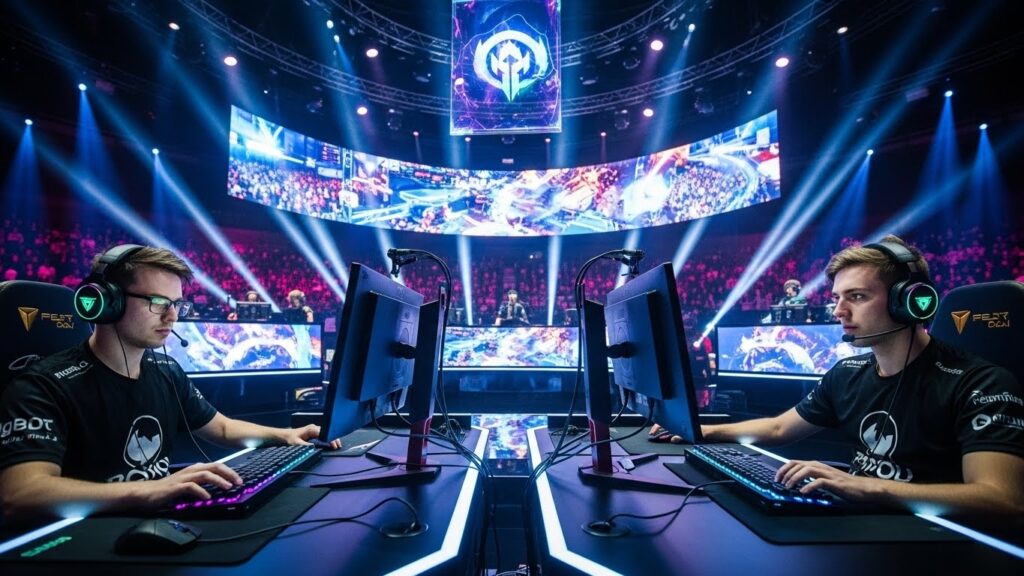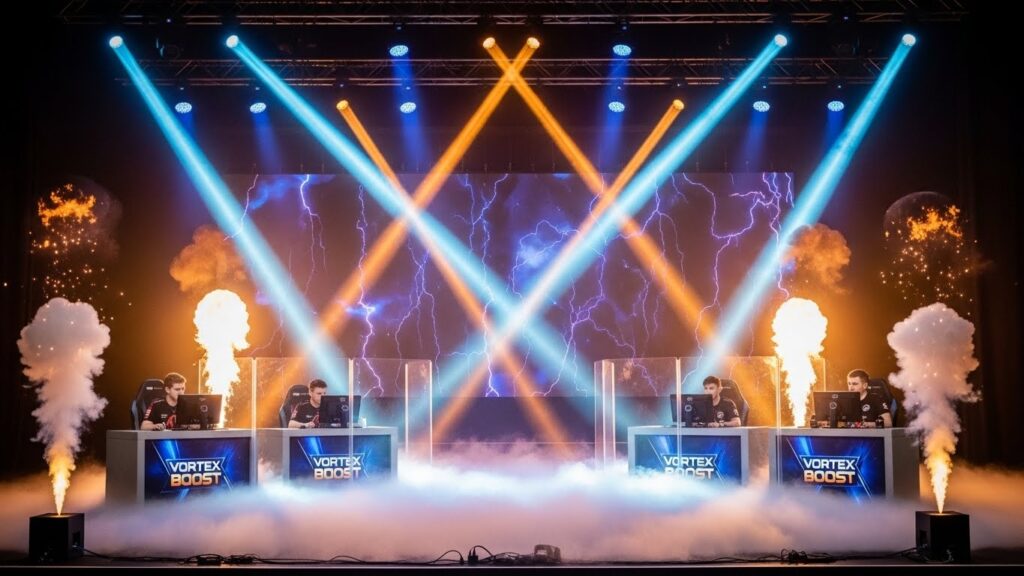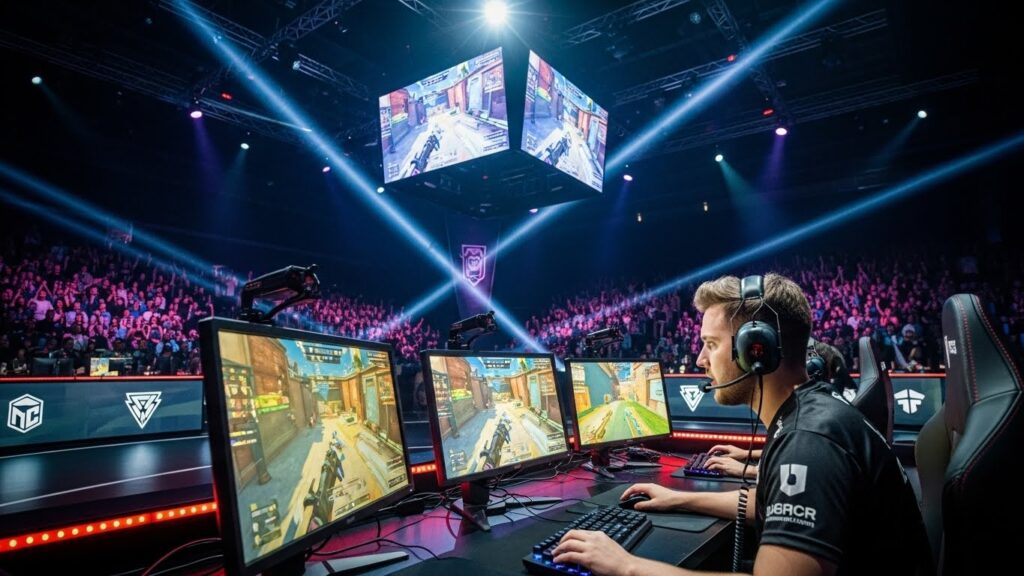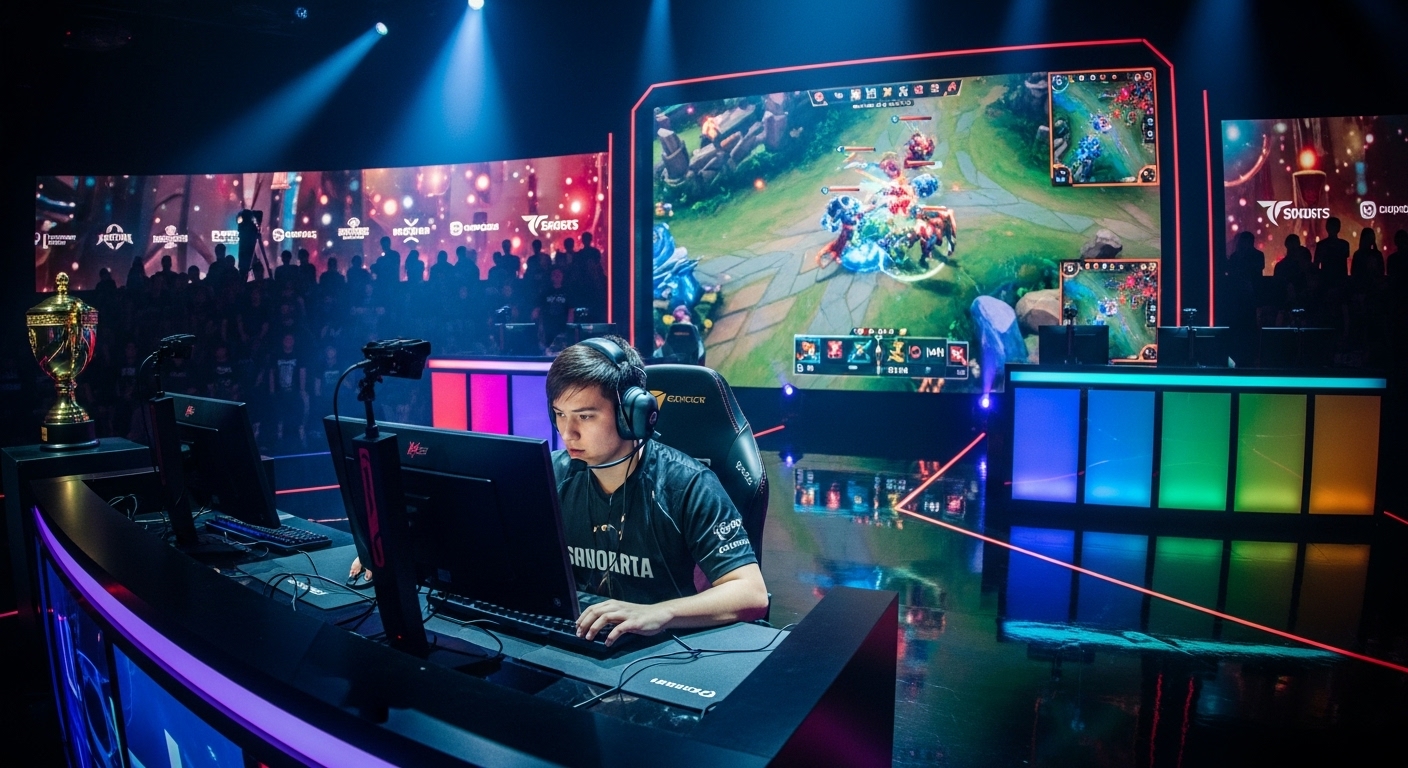
Esports, a term that once referred to a niche community of competitive video gamers, has evolved into a global phenomenon, dominating the entertainment and digital sports industry. What was once a pastime enjoyed by a select group of individuals is now a multi-billion-dollar sector that attracts millions of viewers, professional players, and investors. In this blog post, we will explore the rise of esports, its impact on traditional sports, its growing audience, and the future of competitive gaming.
What is Esports?
Esports refers to organized, multiplayer video game competitions, particularly between professional players, individually or as teams. It involves games that require strategy, skill, and quick reflexes. These competitions are often played in games like League of Legends, Counter-Strike: Global Offensive, Dota 2, Fortnite, Overwatch, and Valorant, among many others.
In recent years, esports has gained unprecedented traction, transcending geographical boundaries and bringing together players and fans from all over the world. The competitive nature of esports mirrors that of traditional sports, with players training rigorously, teams forming complex strategies, and fans passionately supporting their favorite players or teams.
The Origins of Esports
The roots of esports can be traced back to the early days of video gaming. In the 1970s and 1980s, arcade games like Pong and Space Invaders introduced the concept of competitive gaming, though on a much smaller scale. The first major esports event, the Space Invaders Championship in 1980, drew attention to the potential of competitive gaming, but it wasn’t until the 1990s and early 2000s that esports truly began to flourish.
As internet connectivity improved, online multiplayer games became more accessible. Titles like Quake, StarCraft, and Warcraft provided a platform for players to compete globally. Major tournaments, including the World Cyber Games (WCG) and the Electronic Sports World Cup (ESWC), started gaining traction in the early 2000s, setting the stage for the competitive esports scene we know today.
Esports: A Multi-Billion Dollar Industry
The growth of esports has been nothing short of meteoric. According to recent market reports, the global esports industry is expected to surpass $1.5 billion in revenue by 2027, fueled by sponsorships, advertising, media rights, merchandise, and ticket sales. Esports tournaments are broadcasted live on platforms like Twitch, YouTube, and Facebook Gaming, which have millions of active viewers. This widespread accessibility, combined with increasing mainstream acceptance, has made esports a legitimate industry.
In addition to viewership, sponsorship deals are a key factor driving the financial growth of esports. Major brands such as Coca-Cola, Intel, Nike, and Audi have entered the esports scene, forming partnerships with tournaments, teams, and players. These brands recognize the massive potential of esports to reach a younger, tech-savvy audience that is increasingly difficult to engage through traditional advertising channels.
The Professionalization of Esports
One of the key aspects that sets esports apart from casual gaming is its professionalization. Competitive gaming has become a serious career path for many players, with some earning multi-million-dollar salaries through prize money, sponsorships, and streaming revenue. The rise of esports organizations has also contributed to the professional landscape, with teams such as Cloud9, T1, Team Liquid, and Fnatic being household names in the gaming community.
Players undergo rigorous training, much like traditional athletes, with practice schedules, coaching, and performance analysis. High-level esports players often spend upwards of 10-12 hours a day honing their skills, practicing team strategies, and studying game mechanics. The mental and physical demands of competitive gaming are real, and teams now employ psychologists, nutritionists, and trainers to optimize performance.
Additionally, major esports tournaments like The International (Dota 2), League of Legends World Championship, and CS:GO Majors offer multi-million-dollar prize pools, drawing in top-tier talent from around the world. These tournaments attract millions of viewers and are broadcast live on various streaming platforms, sometimes even rivaling the viewership numbers of traditional sports events like the Super Bowl or the FIFA World Cup.
Esports and Traditional Sports: A Changing Landscape
Esports has not only gained recognition on its own but has also started to influence traditional sports. Many professional sports teams are now investing in esports, either by forming their own teams or by sponsoring existing esports organizations. For example, well-known soccer clubs like FC Barcelona, Paris Saint-Germain, and Manchester City have their own esports teams that compete in various titles.
Furthermore, esports has started to be included in major sporting events like the Asian Games, where it made its debut as a demonstration sport in 2018. The International Olympic Committee (IOC) has also expressed interest in integrating esports into future Olympic Games, though this remains a topic of debate due to the unique nature of competitive gaming compared to traditional sports.
One of the most significant ways that esports has influenced traditional sports is through fan engagement. Esports fans tend to be highly engaged with the content, often interacting with players, streamers, and teams on social media, in real-time during broadcasts, and in online communities. This level of engagement is something that traditional sports leagues are increasingly trying to replicate, as they look to attract younger audiences who prefer the instant gratification and interactive nature of esports.
Esports and Youth Culture
One of the most important factors driving the growth of esports is its widespread appeal to younger generations. Millennials and Gen Z, in particular, have grown up with video games and view esports as a natural extension of their gaming hobbies. The ability to watch live-streamed matches, engage with players on social media, and follow tournaments has turned esports into a cultural movement that resonates deeply with young people.
Esports has become a social activity, with friends and communities coming together to watch their favorite players or teams compete. The interactive nature of the digital age has allowed for a more personalized fan experience, whether through live chat, polls, or virtual interactions. As a result, esports has fostered a sense of community, much like traditional sports leagues, but with a unique, digital twist.
Additionally, esports has provided an outlet for individuals to pursue careers in gaming beyond playing professionally. The demand for esports professionals extends to roles in event management, broadcasting, content creation, marketing, and game development. Universities are now offering degrees in esports management, while high schools are creating esports teams to cultivate the next generation of players and fans.
The Future of Esports
As we look to the future, the growth of esports shows no signs of slowing down. The increasing popularity of virtual and augmented reality, alongside advancements in 5G technology, will likely open up new possibilities for esports, further enhancing the immersive experience for players and viewers alike.
Moreover, the rise of mobile esports is another trend to watch. Mobile games such as PUBG Mobile, Mobile Legends, and Clash Royale have already seen significant success in regions like Southeast Asia, India, and China, where mobile gaming is the primary platform. With the advent of 5G networks, mobile esports is expected to expand even further, enabling players to compete on a global stage from their smartphones or tablets.
Esports will likely continue to intersect with mainstream culture, further bridging the gap between the digital and physical worlds. We may see more partnerships between esports organizations and traditional sports teams, as well as the continued rise of esports in schools and universities. Additionally, the potential for new technologies and formats, like virtual reality tournaments or blockchain-based in-game economies, could take the esports experience to entirely new levels.
Conclusion
Esports has firmly established itself as a global powerhouse in the entertainment and sports industries. From its humble beginnings to becoming a multi-billion-dollar sector, esports has transformed the way we view competitive gaming. It has brought people together from across the globe, creating communities of passionate fans, players, and professionals.
The rapid growth of esports has not only created new career opportunities but has also shifted the landscape of traditional sports and entertainment. As the industry continues to expand, esports will remain at the forefront of digital culture, continually evolving and captivating new generations of gamers and fans alike.
As esports continues to reach new heights, one thing is clear: competitive gaming is no longer a niche hobby; it’s a cultural and professional force to be reckoned with. The future of esports looks brighter than ever, and it’s only just getting started.