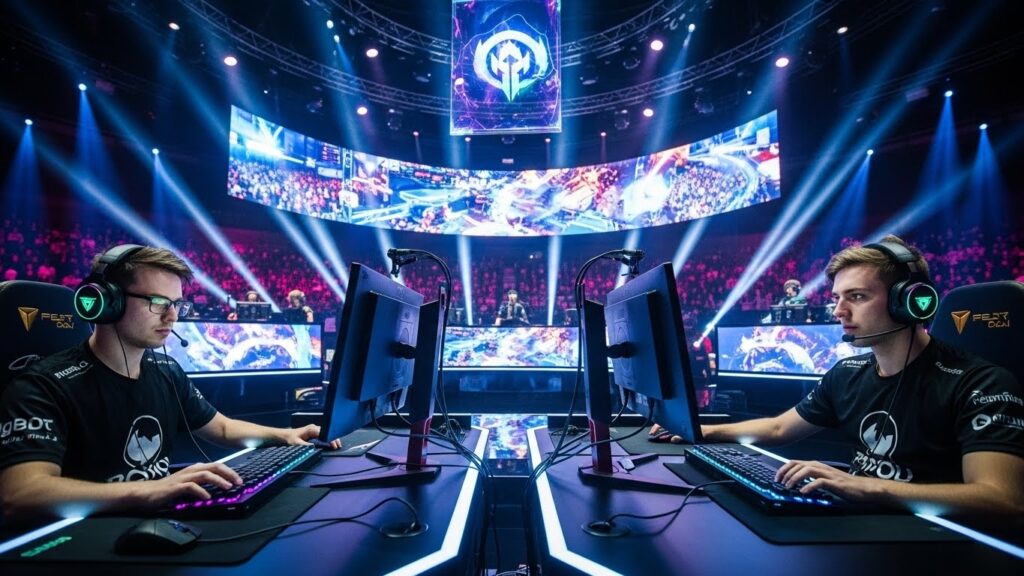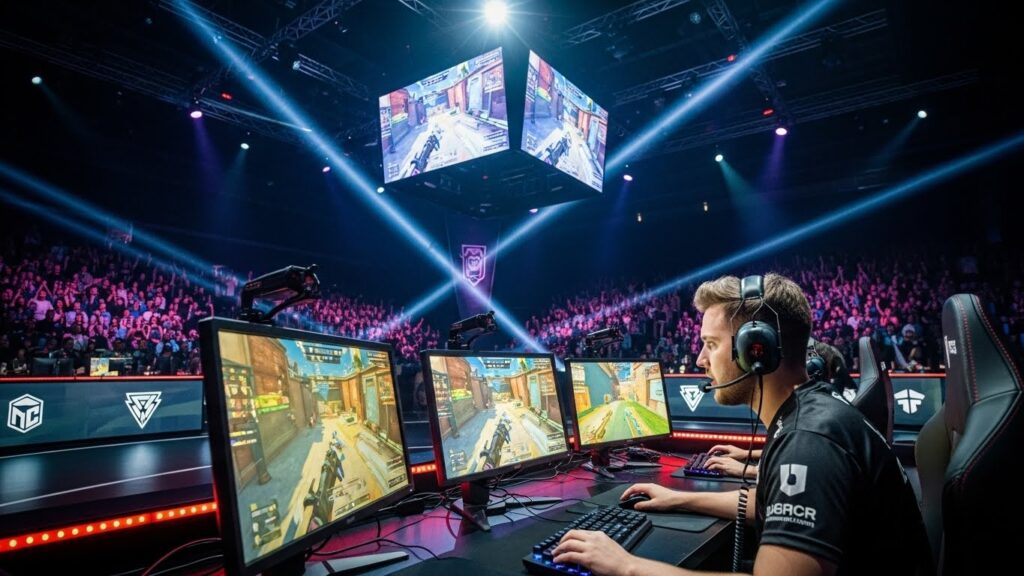
Esports, short for electronic sports, has transformed the way we view competitive gaming. What once began as casual video game competitions among friends has now grown into a multi-billion-dollar industry, captivating millions of players and viewers worldwide. Esports combines the thrill of traditional sports with the innovation of digital technology, creating a unique form of entertainment that transcends borders and demographics. From its humble beginnings in arcades to the high-stakes global tournaments we see today, Esports has firmly established itself as a cultural phenomenon.
Origins of Competitive Gaming
The roots of Esports can be traced back to the early 1970s and 1980s when video games like Pong and Space Invaders started gaining popularity in arcades. High-score competitions were a common pastime, and players often competed for bragging rights rather than monetary rewards. The introduction of personal computers and home gaming consoles further fueled the growth of competitive gaming. Titles like Street Fighter, Quake, and StarCraft in the 1990s marked the beginning of organized gaming tournaments, bringing players together in physical venues or over emerging online networks.
In this era, Esports was largely a niche community hobby, with enthusiasts forming tight-knit groups online and at local events. Despite limited media coverage, the competitive spirit and dedication of early players laid the groundwork for what would become a global industry.
The Evolution of Esports into a Professional Industry
The 2000s marked a turning point for Esports, as technology advanced and internet connectivity became more widespread. Online gaming platforms such as Battle.net and GameSpy allowed players from around the world to compete in real-time. This period also saw the establishment of the first professional leagues and tournaments, offering monetary rewards and sponsorship opportunities. Games like Counter-Strike, Warcraft III, and League of Legends became staples of competitive play, attracting a growing fanbase eager to watch skilled players compete.
Professionalization brought structure to Esports. Teams began to form with dedicated coaches, analysts, and managers, mirroring traditional sports organizations. Sponsors and advertisers recognized the marketing potential of Esports, and prize pools grew to staggering amounts. Today, major tournaments such as The International for Dota 2 or the League of Legends World Championship offer multi-million-dollar prizes, further solidifying the legitimacy and financial viability of Esports careers.
Popular Esports Genres and Games
Esports encompasses a wide variety of game genres, each attracting its own dedicated community.
1. Multiplayer Online Battle Arenas (MOBAs): Games like League of Legends and Dota 2 dominate this genre. These games require strategic thinking, teamwork, and precise execution. Each match is a complex interplay of roles, objectives, and real-time decision-making. MOBAs have some of the largest audiences in Esports due to their competitive depth and narrative storytelling through matches.
2. First-Person Shooters (FPS): Titles like Counter-Strike: Global Offensive, Call of Duty, and Overwatch focus on reflexes, aim accuracy, and teamwork. FPS tournaments are fast-paced and intense, often played in front of live audiences and streamed to millions worldwide.
3. Real-Time Strategy (RTS): Classic RTS games such as StarCraft demand strategic planning, resource management, and multitasking. While the RTS genre has seen a decline in mainstream Esports popularity, it remains a beloved cornerstone for hardcore competitive gamers.
4. Fighting Games: Games like Street Fighter, Tekken, and Super Smash Bros. showcase one-on-one combat skill. Fighting game tournaments emphasize individual mastery and split-second decision-making, drawing both casual and professional audiences.
5. Sports Simulations: Titles such as FIFA and NBA 2K simulate real-world sports, allowing gamers to compete virtually in leagues and championships. These games bridge the gap between traditional sports fans and Esports enthusiasts, expanding the appeal of competitive gaming.
Esports Communities and Culture
One of the defining characteristics of Esports is its vibrant and passionate community. Unlike traditional sports, Esports communities thrive both online and offline. Streaming platforms such as Twitch, YouTube Gaming, and TikTok have created spaces where fans interact directly with players, watch live matches, and participate in discussions about strategies, game updates, and esports news.
The culture surrounding Esports is diverse, encompassing gamers of all ages, genders, and backgrounds. It emphasizes skill, teamwork, and creativity. Cosplay, fan art, and community-driven tournaments add layers of engagement beyond mere spectating. Unlike other competitive sports, Esports culture is heavily digital, leveraging social media, forums, and content creation to foster community bonds.
The Business of Esports
Esports is not just about gaming; it’s also a booming business. Revenue streams in Esports come from multiple channels including sponsorships, advertising, media rights, merchandise sales, and ticketed events. Companies recognize the marketing potential of targeting the highly engaged Esports audience, which is predominantly young and tech-savvy.
Teams and players now operate as professional brands. Sponsorship deals with tech companies, energy drinks, and lifestyle brands provide significant income streams. Tournament organizers, leagues, and platforms generate revenue by broadcasting events, selling merchandise, and hosting exclusive content for fans. Esports betting and fantasy leagues are emerging markets, further contributing to the industry’s financial ecosystem.
The global Esports market is projected to continue growing rapidly, driven by increased internet access, the popularity of mobile gaming, and expanding investment from traditional sports franchises and media companies.
Training and Professionalism in Esports
Professional Esports players dedicate hours of training every day, similar to athletes in traditional sports. Teams employ coaches, nutritionists, psychologists, and analysts to optimize performance. Training focuses on mechanical skill improvement, strategic understanding, team coordination, and mental resilience.
Esports has also seen the rise of academies and development programs designed to nurture young talent. Universities and colleges now offer scholarships for Esports players, providing formal education alongside competitive gaming opportunities. This professional infrastructure has elevated Esports from casual entertainment to a legitimate career path, with players achieving fame, financial stability, and international recognition.
The Role of Technology in Esports Growth
Technology is at the heart of Esports’ expansion. High-speed internet, advanced gaming hardware, and streaming platforms have made it possible for fans to watch competitive matches in real-time from anywhere in the world. VR (virtual reality) and AR (augmented reality) are starting to influence the future of Esports, offering immersive gaming experiences that were once thought impossible.
Artificial intelligence is also being leveraged to analyze gameplay, develop training regimens, and predict outcomes. Machine learning algorithms can break down player performance, identify patterns, and suggest improvements, giving professional teams a competitive edge. The continuous evolution of technology ensures that Esports remains dynamic and ever-changing.
Esports and Global Impact
Esports has grown into a global phenomenon, with international tournaments attracting players and audiences from every continent. Countries like South Korea, China, and the United States have been at the forefront of Esports development, but other regions are rapidly catching up. International competitions foster cultural exchange and camaraderie among players, while simultaneously fueling national pride.
Esports also has the power to influence social behavior. It encourages teamwork, strategic thinking, and perseverance. While critics often highlight concerns about excessive screen time or sedentary lifestyles, proponents argue that Esports provides opportunities for skill development, career growth, and social interaction in ways traditional sports sometimes cannot.
Challenges Facing the Esports Industry
Despite its rapid growth, Esports faces several challenges. One major issue is player burnout. Professional gamers often endure long hours of practice, travel, and high-pressure competitions, which can lead to physical and mental health issues.
Another challenge is regulation. The Esports industry is relatively young and lacks standardized rules for contracts, tournaments, and player rights in many regions. Issues such as cheating, doping, and unfair practices need consistent oversight to maintain fairness and credibility.
Monetization can also be unpredictable. While top-tier tournaments and players earn substantial revenue, many aspiring professionals struggle to find financial stability. Balancing commercial interests with the integrity of the sport is an ongoing concern for organizers, teams, and stakeholders.
The Future of Esports
The future of Esports looks promising, with technology, investment, and global interest continuing to grow. Mobile gaming is emerging as a major driver of Esports expansion, particularly in regions with limited access to high-end gaming PCs. New game genres, hybrid gaming experiences, and innovations in broadcasting are likely to expand Esports’ reach even further.
Additionally, the integration of Esports into mainstream media, such as television coverage, documentaries, and films, is bringing competitive gaming to wider audiences. As societal acceptance increases, Esports may become as culturally significant as traditional sports, influencing fashion, entertainment, and lifestyle trends worldwide.
Education, professionalization, and global collaboration will shape the next era of Esports. As more young people see competitive gaming as a legitimate career, the talent pool will deepen, pushing the boundaries of skill, strategy, and entertainment in ways we are only beginning to imagine.
Conclusion
Esports has evolved from a niche hobby into a global entertainment powerhouse. Its journey from arcade high scores to multi-million-dollar tournaments exemplifies the power of technology, community, and competition. With professional infrastructure, technological innovation, and passionate communities driving its growth, Esports is poised to continue reshaping how we define sports and entertainment.
Whether you are a casual gamer, a dedicated fan, or an aspiring professional, Esports offers opportunities, excitement, and inspiration. The digital arena is now a stage where skill, strategy, and perseverance converge, and the world is watching as a new generation of athletes rise—not on the field, but on the screen.